KatyayaniOrganics
Loading…
Abelmoschus esculentus
Each band is proportional to stage duration. Click to jump to problems.
Insect pests damage okra seeds in storage or soil, leading to poor and patchy germination in the field. Seedlings that d...
Yellowing of the entire network of veins in the leaf blade is the characteristic symptom. In severe infections the young...
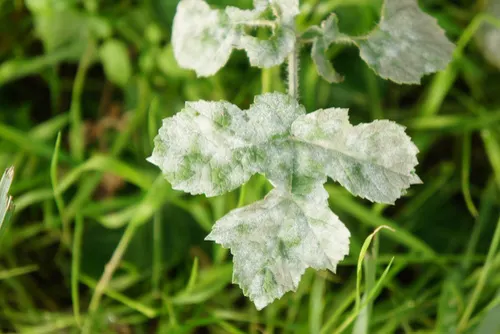
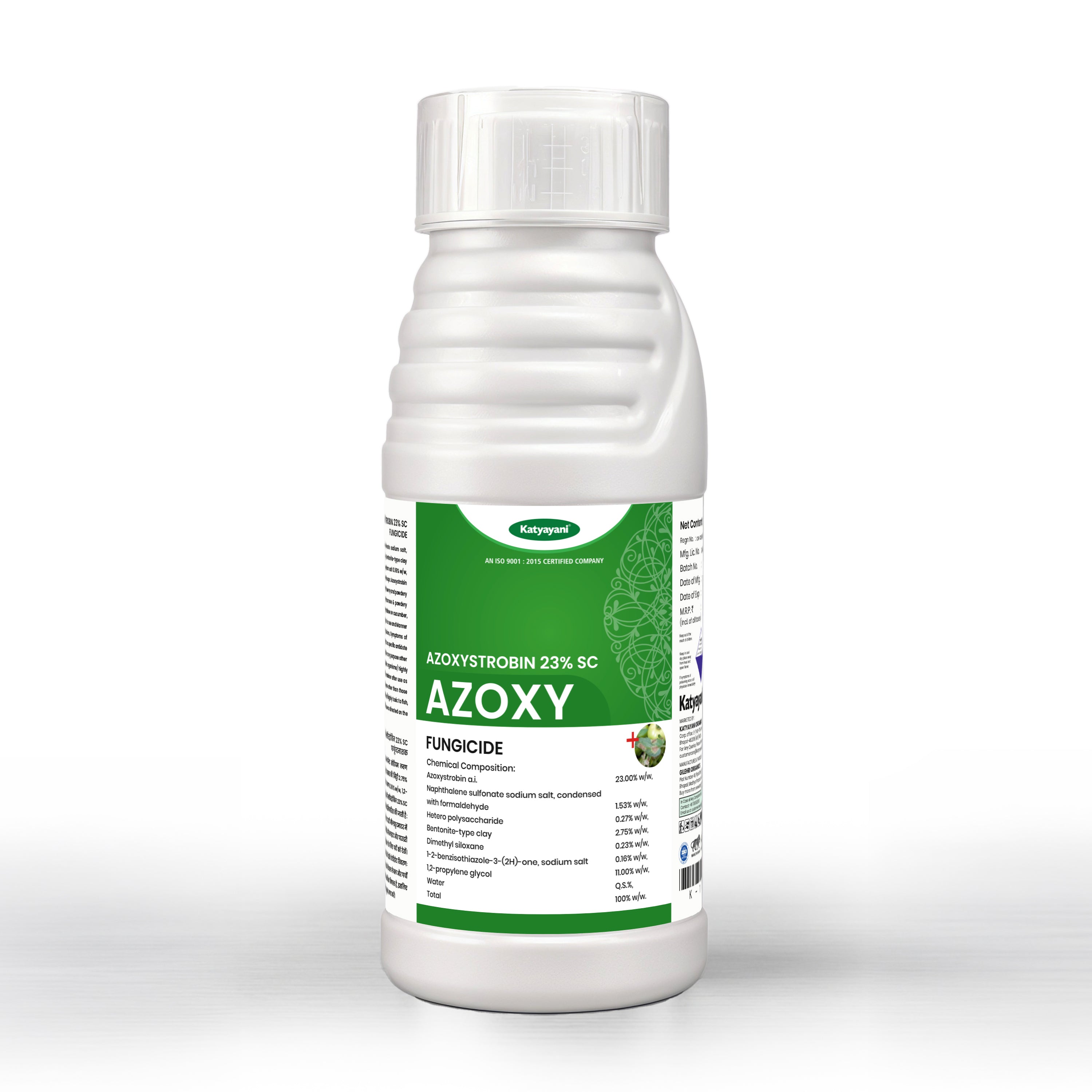
White patches of fungal growth develop on the lower surface of the leaf. ... Leaf edges curl upwards, exposing the white...
Cotton jassids are most likely found on the underside of leaves. In high infestation levels, there is a reduction in pla...
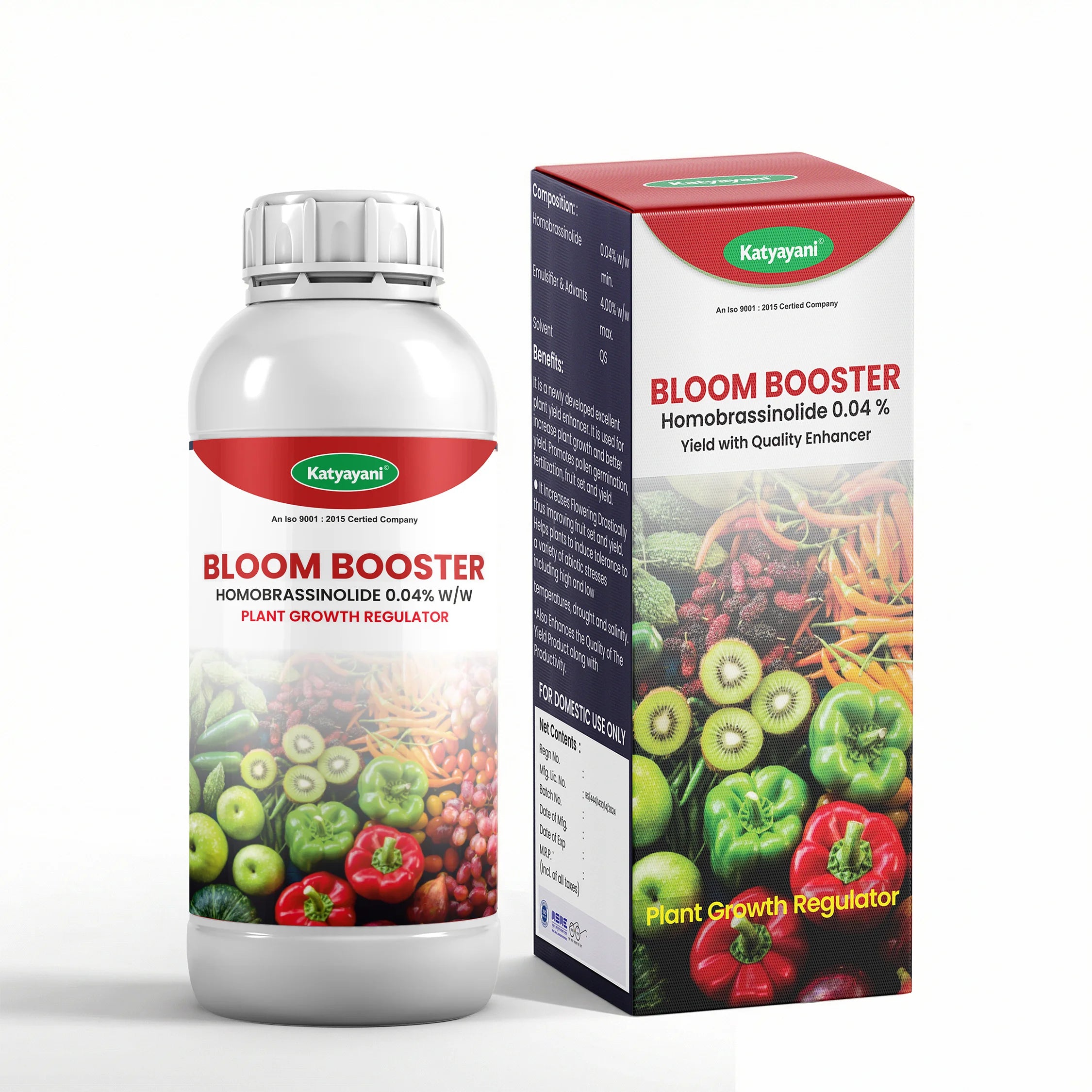
Yield: PGRs can increase the number of fruits per plant, the weight of each fruit, and the total yield per plant and per...
Okra seeds treated inadequately may show pre-emergence rot, and seedlings that emerge develop dark, water-soaked lesions...
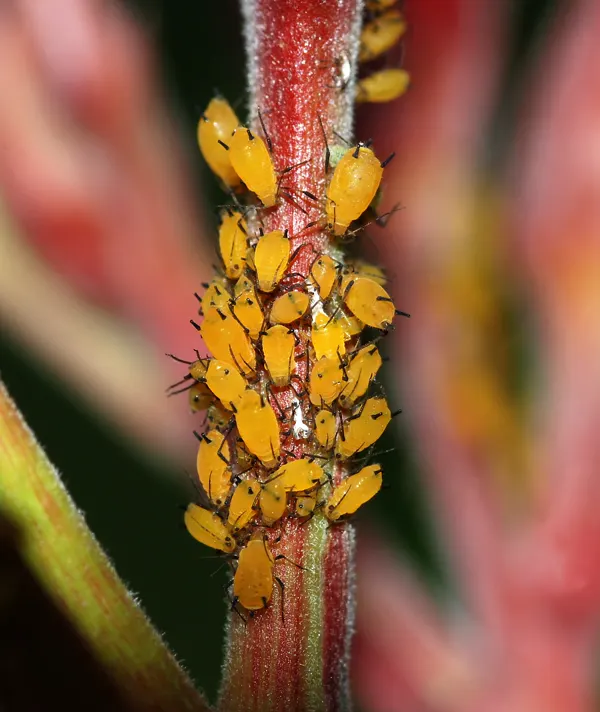
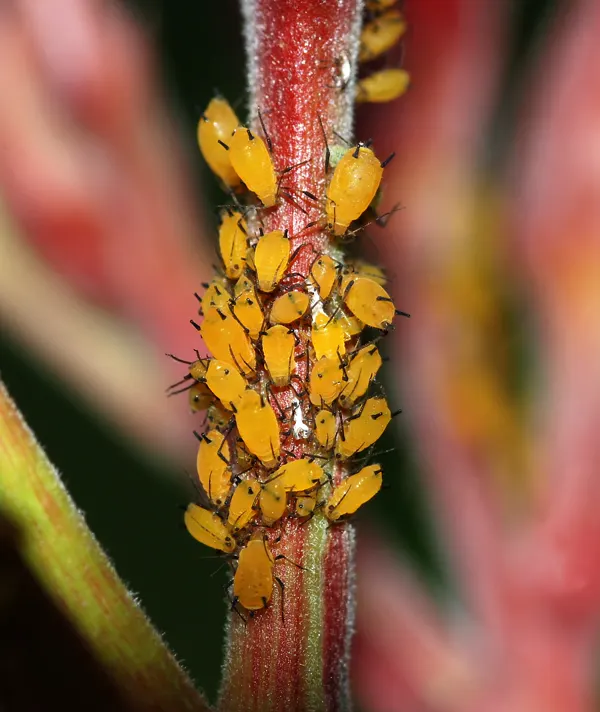
Infesting tender shoots and under surface of the leaves. Curling and crinkling of leaves Stunted growth Development o...
Chlorotic spots on the leaves which latter coalesce forming irregular yellowing of leaf tissue Severe infestation resul...
White patches of fungal growth develop on the lower surface of the leaf. ... Leaf edges curl upwards, exposing the whit...
The affected plants are stunted. The leaves turn yellow, wilt and are later shed. Usually the lower leaves are the first...
Generally, symptoms first appear on the lower, older leaves and progress with newer lesions appearing on the younger, up...
Rotting stems: Stems may rot at or near the soil line. Water-soaked stems: Stems may appear water-soaked, shriveled, o...
Foliar application of deficient nutrients enhanced plant production in aquaponics. Foliar spray inflates vegetative grow...
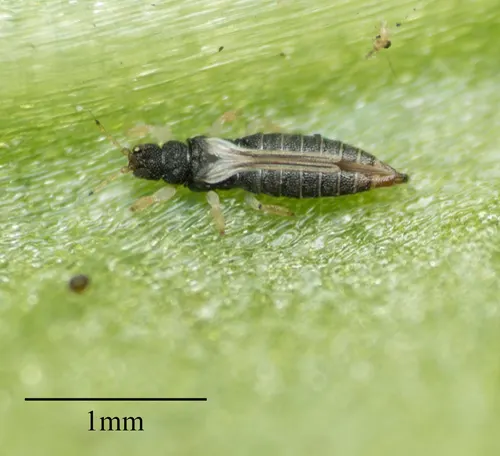
Discolored leaves: Thrips suck the sap out of leaves, causing them to develop silvery or bronze patches, or small spots ...
Leaves develop small, pinhead-like growths underneath, become rough, warty and leathery, with upward curling. Stems and ...
Enhances pollen power and fertility of crop Improves flowering and reduces flower drop Increases fruit setting and aid...
Root symptoms induced by root-knot cause swollen areas (galls) on the roots of infected plants. Gall size may range from...
The conspicuous symptom is a typical wilt, beginning with a yellowing and stunting of the plant, followed by wilting and...
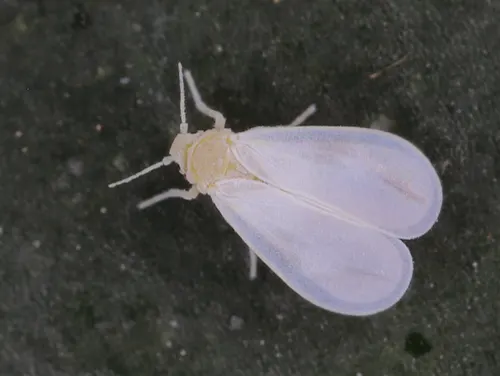
Whiteflies feed on the sap of plants, which can stunt growth, yellow leaves, and make plants weak. They also excrete a s...
This wilting typically occurs during the hottest part of the day and may recover somewhat at night, but worsens over tim...
Terminal shoots wither and droop Shedding of buds and flowers Bore hole in fruits and fee Deformed fruits
Small, brown flecks develop with a reddish border, expanding to circular spots about 4mm wide with an ashy-grey centre. ...
Okra plants need specific nutrients in the right amounts to thrive. These include nitrogen (N) for leafy growth, phospho...
The disease is found mainly on the older leaves and stems of plants. Yields of many of the infected vegetables are reduc...
Feeding on leaves: Thrips feed on the sap of leaves and other tender plant parts, causing silver patches and streaks on ...
Shoots: Terminal shoots wither, droop, and dry up. Fruits: Fruits become deformed and unfit for consumption. Leaves: L...
The larvae also bore into fruits and feed on the inside. This creates holes in the fruits, which makes them unmarketable...
Flowers and fruits may turn soft, fuzzy, or brown, and may have white or gray strands with black spores on the ends. The...
Leaf Curling and Yellowing: Tender leaves curl, distort, turn pale and eventually dry. Stunted Growth: Reduced plant gro...
The natural transmission if the disease occurs through whitefly. The disease symptoms appear prominently on the lower su...
Leaf color: Leaves may turn yellow, bronze, or red Leaf shape: Leaves may curl upwards or downwards, or the margins may...