

 8 min read
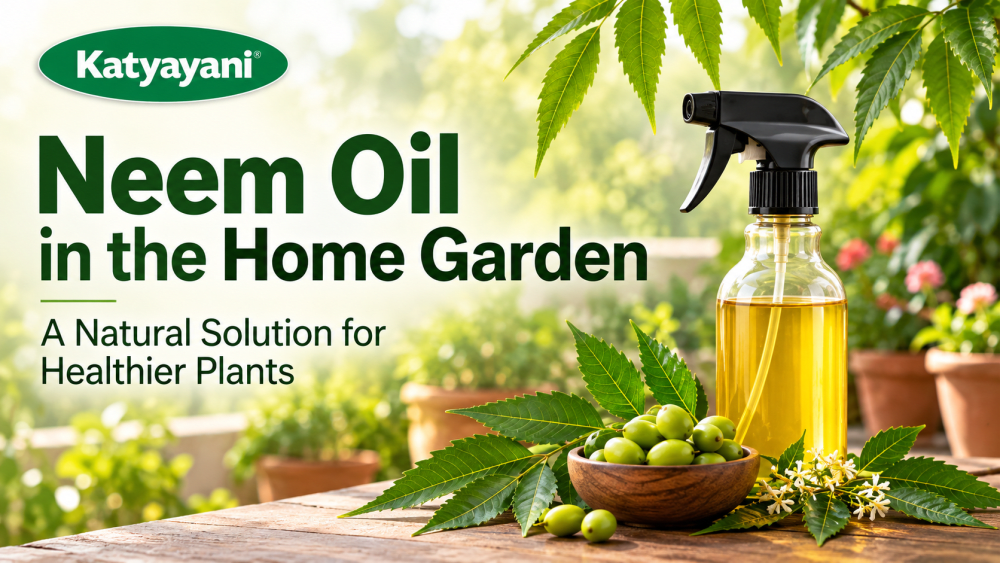
For a 3000 ppm azadirachtin neem oil, use 2 to 3 ml per litre of water for most garden pests. Higher concentrations need proportionally less: around 1 ml per litre at 10000 ppm, and 0.5 to 1 ml per litre at 50000 ppm. Always add an emulsifier, spray in the evening, and never spray a plant that is already wilting.
Neem oil is the most widely used organic garden spray and also the most widely misused. Two mistakes account for nearly all the complaints: people dilute it by volume of oil without checking the azadirachtin concentration, and people spray it in the sun. Both cause leaf burn, and both are avoidable.
Read the concentration, not the bottle size
Azadirachtin is the active compound. Neem oils sold for gardens range from around 300 ppm to 50000 ppm, which is a difference of more than a hundred times. A rate that is correct for one product will either do nothing or scorch your plants with another.
The 3000 ppm grade is the practical default for a home garden. Both Activated Neem Oil and Dr. Neem 3000 sit at this strength. Where pressure is higher, Dr. Neem 10000 gives the same effect at a third of the volume, and Dr. Neem Prime at 5 percent w/w is the concentrated grade for larger areas.
When in doubt, start at the lower end of the range and test on a few leaves before spraying the whole plant.
Mixing it so it does not separate
Oil and water do not mix. Neem sprayed without an emulsifier separates in the tank, and the last part of the spray comes out as almost pure oil, which is what burns leaves.
- Start with warm water, around 30 degrees Celsius. Cold water makes neem thicken and separate faster.
- Add a few drops of a mild liquid soap or a commercial spreader per litre. Many neem formulations already include an emulsifier, in which case skip this.
- Stir the soap into the water first.
- Add the neem oil slowly while stirring continuously.
- Use the mixture within four to six hours. Azadirachtin breaks down in water and the emulsion separates as it stands.
- Shake the sprayer every few minutes while you work.
Never mix a large batch to keep for next week. It will not work and it may burn.
Spraying properly
Cover the undersides of leaves. Aphids, whitefly, thrips and mites live there, and neem works largely by contact and ingestion, so a spray that only wets the upper surface misses the population.
Spray until the leaf is wet but not running off. Runoff is wasted product on the floor.
Repeat every seven days while pests are active. Neem does not kill eggs, so the second application catches whatever hatched after the first.
For prevention rather than treatment, every ten to fourteen days is enough.
When not to use neem oil
These four situations account for most of the damage people attribute to the product.
In direct sun or above about 35 degrees Celsius
Oil on a leaf in strong sunlight causes burn. Spray in the evening after the sun is off the plants, or very early in the morning. In a heatwave, skip the application entirely and wait for cooler weather.
On a plant that is already stressed
A wilting, drought-stressed or freshly repotted plant has no capacity to tolerate an oil coating. Water it, let it recover for a day, then spray.
On seedlings and very tender new growth
Young seedlings burn easily. Either use half the normal rate or wait until the plant has several true leaves. Some plants with fine hairy leaves, and some ferns, react badly at any concentration, so test a single leaf and wait 48 hours before treating the whole plant.
Alongside a fungal bio-insecticide
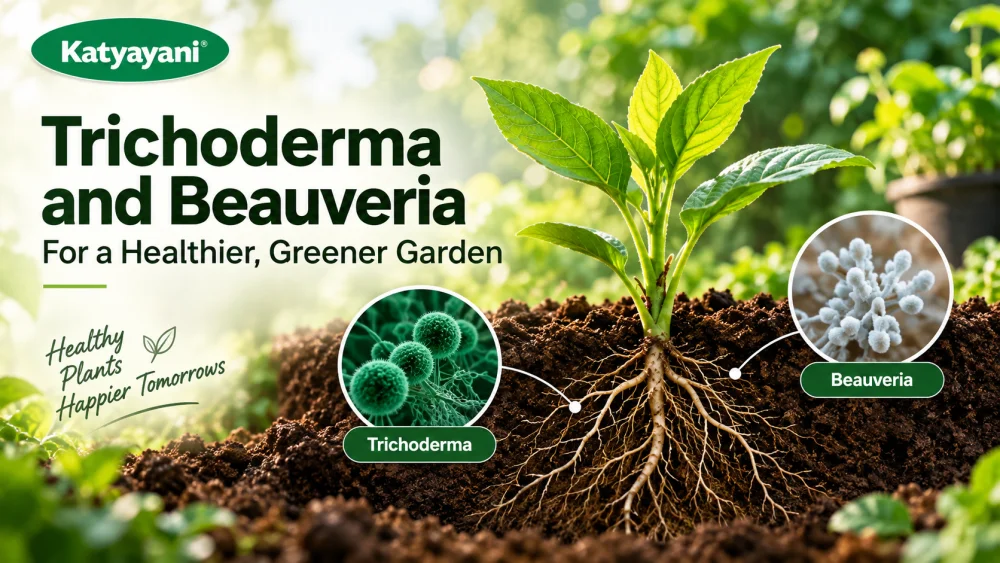
Neem oil coats spores and reduces the effectiveness of products such as Beauveria bassiana. If you use both in a programme, separate them by at least five to seven days rather than tank mixing.
What neem controls, and what it does not
It works on soft-bodied insects and young stages: aphids, whitefly, thrips, spider mites, leafhoppers, mealybugs, young caterpillars and leaf miners. It also suppresses some fungal diseases such as powdery mildew through a coating effect.
It does not work well on hard-shelled adult beetles, mature scale insects under their protective cover, ants, or established caterpillar infestations. It does not control soil grubs or nematodes at spray concentrations.
The National Pesticide Information Center publishes a plain-language fact sheet covering neem oil's mode of action, toxicity profile and handling requirements. It is the best neutral reference available.
Safety and handling
- Wear gloves. Concentrated neem irritates skin for some people.
- Keep the concentrate out of reach of children and away from fish tanks and ponds, as neem is toxic to fish.
- Store it cool and dark. Heat and light degrade azadirachtin, so a bottle left in a sunny window loses strength.
- Spray in the evening to avoid contact with foraging bees.
- Wash produce before eating, even though there is no mandatory waiting period.
If it is not working
Check three things in order. Was the concentration right for that product? Did the spray reach the undersides of the leaves? Has it been applied more than once?
If all three are yes and the pest is still increasing after three applications, you probably have a pest neem does not control well, such as mature scale or hard-bodied beetles. Identify the pest properly and change the approach rather than raising the neem rate. Higher concentrations cause burn without improving control.
Frequently asked questions
1. How much neem oil per litre of water?
It depends on the azadirachtin concentration. For a 3000 ppm product use 2 to 3 ml per litre. For 10000 ppm use about 1 ml, and for a 5 percent w/w concentrate use 0.5 to 1 ml. Check the label rather than assuming.
2. Why does my neem oil separate in the sprayer?
Oil does not dissolve in water without an emulsifier. Use warm water, add a few drops of mild soap or a spreader first, then add the neem slowly while stirring. Shake the sprayer as you work.
3. Can I spray neem oil in the sun?
No. Oil on a leaf in direct sunlight causes burn. Spray in the evening after the sun is off the plants, or very early in the morning.
4. How often can neem oil be applied?
Every 7 days while pests are active, and every 10 to 14 days as a preventive. It does not kill eggs, so repeat applications are what actually clear an infestation.
5. Does neem oil burn plant leaves?
It can, in four situations: too high a concentration, spraying in direct sun or high heat, spraying a plant that is already stressed, and spraying very tender new growth. Test a few leaves and wait 48 hours before treating a whole plant.
6. Is neem oil safe for vegetables?
Yes, and there is no mandatory waiting period before harvest. Wash produce before eating as normal practice.
7. Does neem oil kill bees?
It is much less harmful than broad-spectrum insecticides, but direct contact can still affect them. Spray in the evening when bees are not foraging and avoid spraying open flowers.
8. Can neem oil be mixed with other sprays?
Avoid mixing it with fungal bio-insecticides such as Beauveria or Trichoderma, because the oil coats and inactivates the spores. Separate those applications by at least five days.
9. What pests does neem oil not control?
Hard-shelled adult beetles, mature scale insects under their protective covering, ants, and heavy established caterpillar infestations. It also does not reach soil grubs at spray strength.
10. How should neem oil be stored?
Cool, dark and sealed. Heat and sunlight break down azadirachtin, so a bottle stored in a warm or bright place loses strength well before its expiry date.
SOURCES CITED
National Pesticide Information Center — Neem Oil General Fact Sheet — https://npic.orst.edu/factsheets/neemgen.html
Cornell University IPM — Biocontrol Agents — https://cals.cornell.edu/integrated-pest-management/eco-resilience/biocontrol/biocontrol-agents
| Category | Global Garden |
|---|---|
| URL slug | /blog/gardening/neem-oil-dilution-home-garden |
| Primary keyword | neem oil dilution for plants |
| Secondary keywords | how to mix neem oil spray, neem oil ppm difference, when not to use neem oil, neem oil leaf burn, azadirachtin concentration, neem oil for indoor plants |
| Search intent | How-to with safety concern — gardener has bought neem oil and needs the correct rate and the conditions to avoid. |
| Meta title | Neem Oil Dilution: Correct Rates and When Not to Use It (55 chars) |
| Meta description | Neem oil rates by concentration, how to mix it so it does not separate, and the four situations where spraying it will damage your plants. (138 chars) |
| Word count | ~1,700 |
| Internal links | Activated Neem Oil 3000 ppm | Dr. Neem 3000 | Dr. Neem 10000 | Dr. Neem Prime 5% w/w | Bhasam Beauveria bassiana |
| External sources | National Pesticide Information Center (neem oil fact sheet) | Cornell IPM (biocontrol agents) |
| Azadirachtin | Rate per litre | Best for |
|---|---|---|
| 300 to 1500 ppm | 5 ml | Light preventive use on indoor plants |
| 3000 ppm | 2 to 3 ml | General home garden use, most common grade |
| 10000 ppm | 1 ml | Established infestations, larger gardens |
| 50000 ppm (5% w/w) | 0.5 to 1 ml | Heavy pressure, commercial and terrace-scale growing |
| Test first, always. Spray two or three leaves on one plant, wait 48 hours, and check for scorching or spotting before you treat everything. This takes two days and saves whole plants. |
|---|


Leave a Comment