KatyayaniOrganics
Loading…
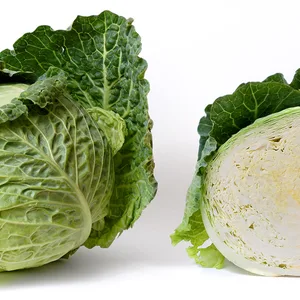
Brassica oleracea var. capitata
Each band is proportional to stage duration. Click to jump to problems.
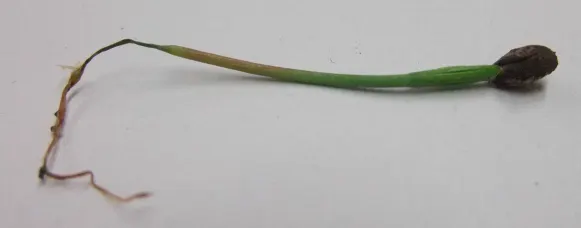
Cabbage seedlings emerging from infected seed develop damping-off, with brown, water-soaked lesions at the stem base cau...
"Rapid and uniform growth of plants. Increases the immunity of plants, resulting in less damage from adverse weather an...
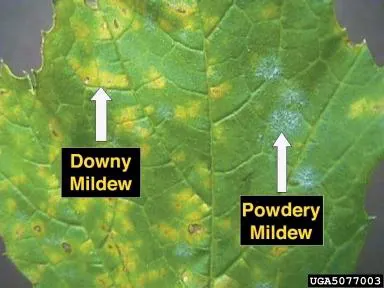
Small, angular lesions on the upper surface of leaves that turn yellow, brown, or necrotic. The lower surface of leaves ...
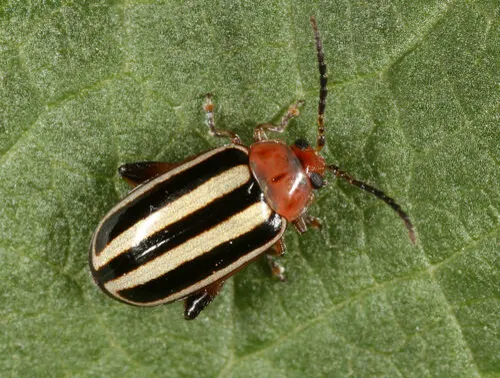
Leaf damage: Adult flea beetles create small, irregular holes and shallow pits in the leaves. These holes can enlarge as...
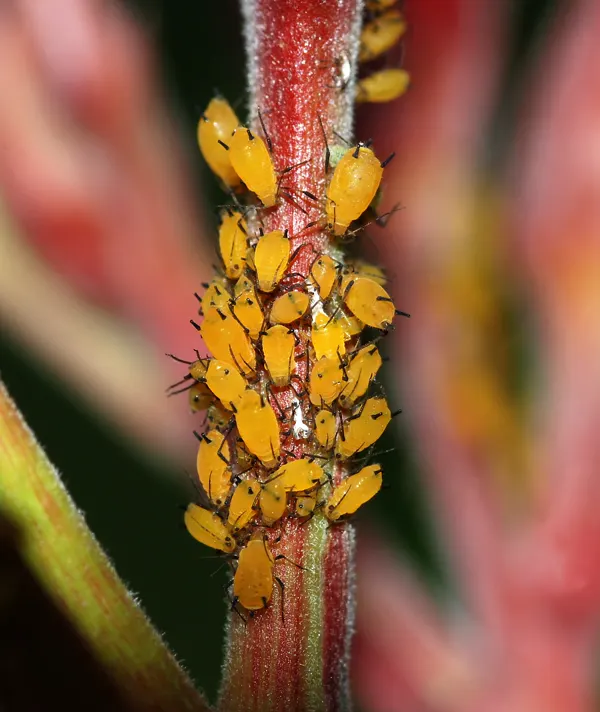
Stunting growth: Aphids can stunt the growth of small plants, especially after thinning or transplanting. . Yellowing ...
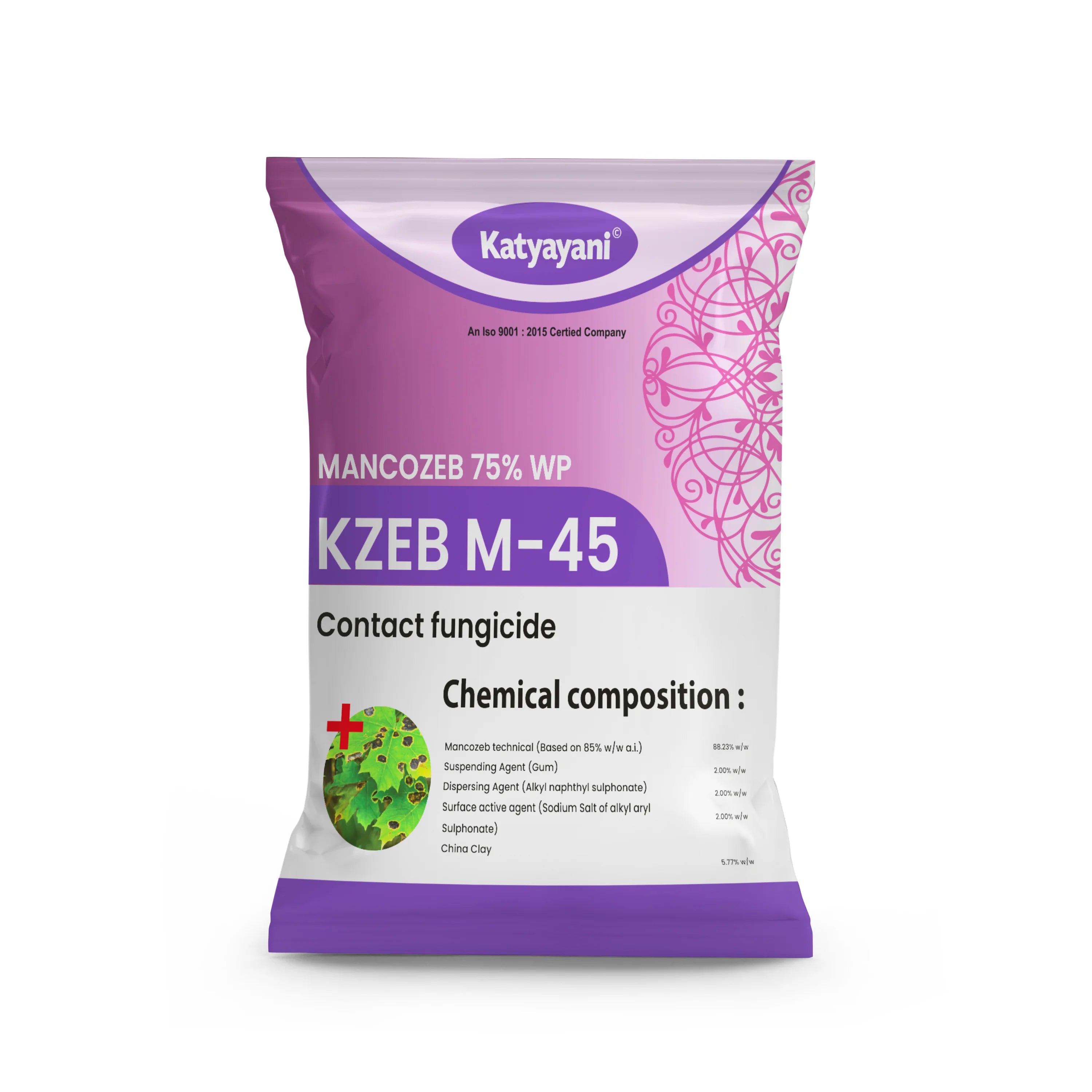
Initial lesions: Small black dots with a yellow halo that appear on older leaves Expanding lesions: Lesions grow into c...
Seed treatment protects seeds from insects & diseases. One of the foremost advantages of seed treatment is the additiona...
Above ground: Stunted growth, wilting, and purplish foliage Below ground: Massive swelling and distortion of the root ...
Seedlings may have discolored lesions on their cotyledons that eventually turn into necrotic spots. The underside of lea...
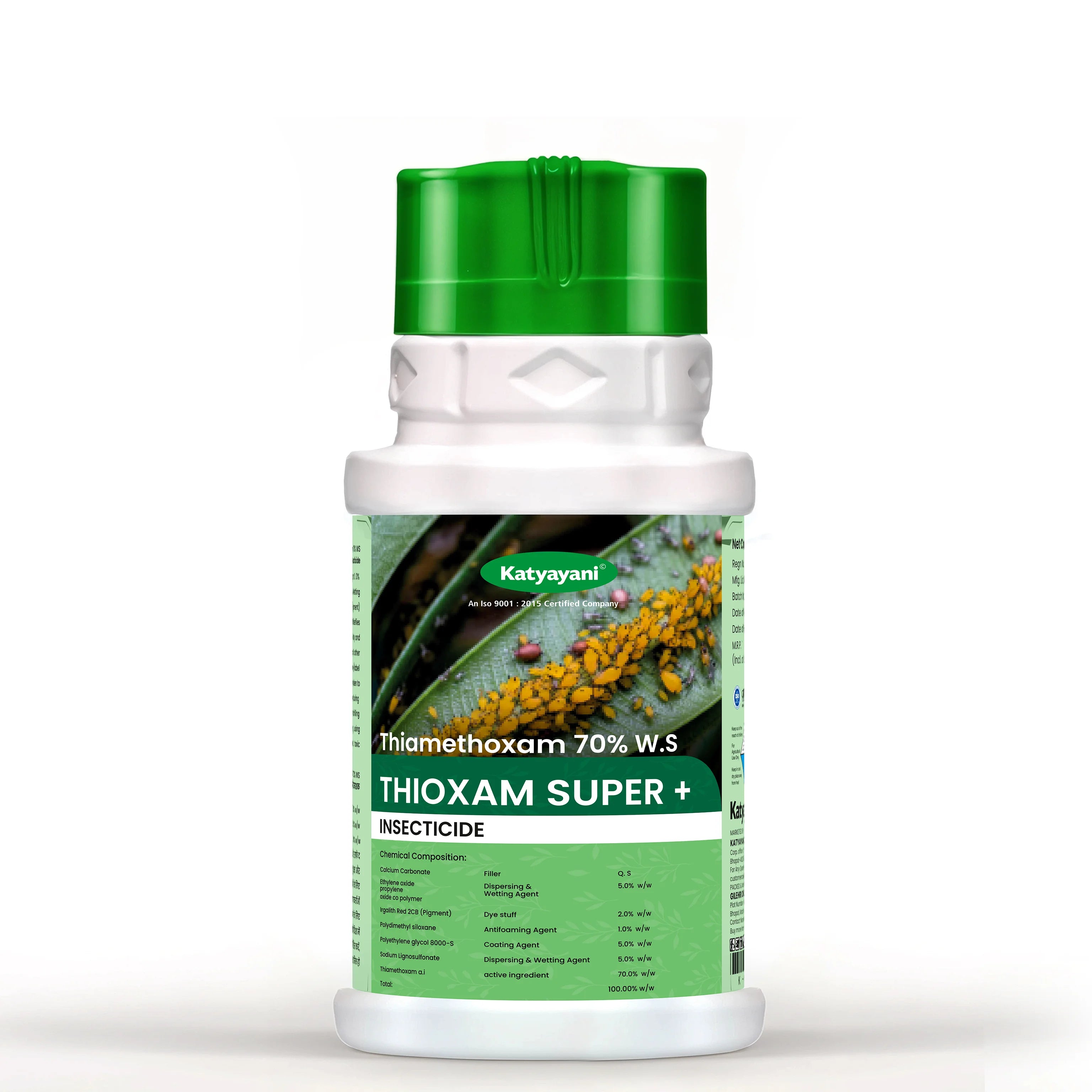
Aphids suck sap from plants, which can cause leaves to deform or stunt. They also produce honeydew, which can lead to th...
Pre-emergence: Seedlings die before they emerge from the soil, resulting in an uneven stand. Post-emergence: Seedlings ...
They feed on the underside of leaves causing the damage of a “windowpane” appearance. However, large larvae can chew com...
Roots: Swollen, thick, irregular roots that develop small, white galls Leaves: Yellowing leaves that wilt on hot days ...
Leaf damage: Young caterpillars scrape the leaves, leaving whitish patches. As they grow, they chew holes in the leaves,...
Increased growth: PGRs can help cabbage grow faster and increase the number of leaves per plant. Larger head diameter:...
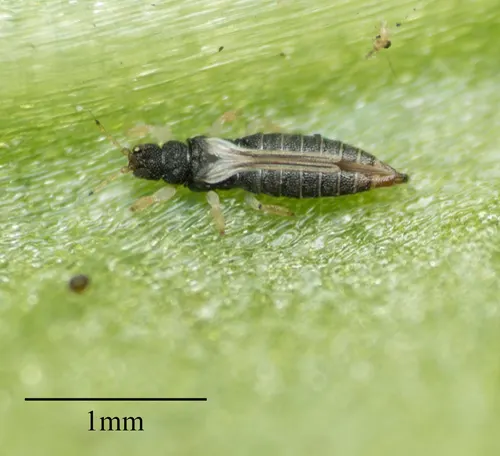
Thrips feed by piercing plant cells and sucking out their contents, which can cause silvering, blistering, scarring, bro...
"DBM larvae feed on the underside of leaves, leaving the veins and upper leaf surface intact. This creates a window-like...
Fertilizer is beneficial for cabbage plants during the vegetative stage because it helps them develop strong roots, larg...
Stunted growth: Cabbage maggots can stunt the growth of cabbage plants. Yellowing: Cabbage plants may turn yellow. Wil...
The caterpillars of the cabbage white butterfly are large, green, and conspicuous, and feed in groups on the underside o...
The caterpillars damage the leaves by mining, burrowing, and eating through them. The damage is most severe when the cab...
Holes in leaves: Cabbage loopers eat leaves, creating large, irregular holes, especially near the midrib. Stunted heads...
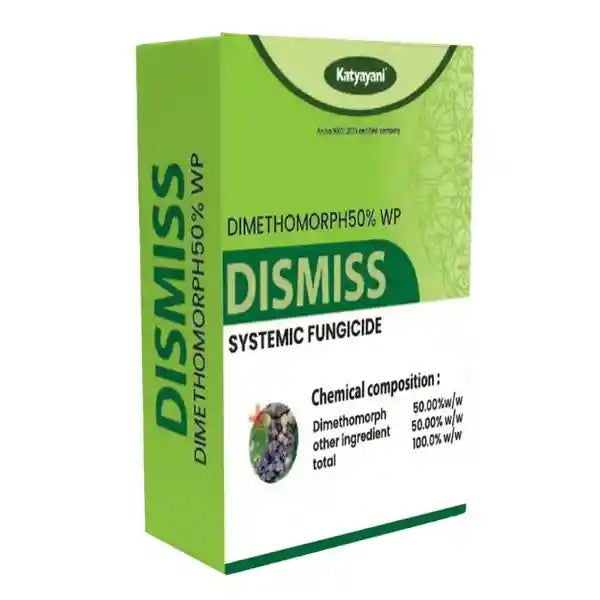
V-shaped yellow lesions that move from the edges of the leaves inwards Nearby veins that turn black and thicken Black ...
Shot-holing: Adult flea beetles chew small, round holes in the leaves, which can lead to stunting and poor plant growth....
Fertilizers can increase the concentration of nutrients like nitrate, calcium, potassium, and sodium in the sap of cabba...
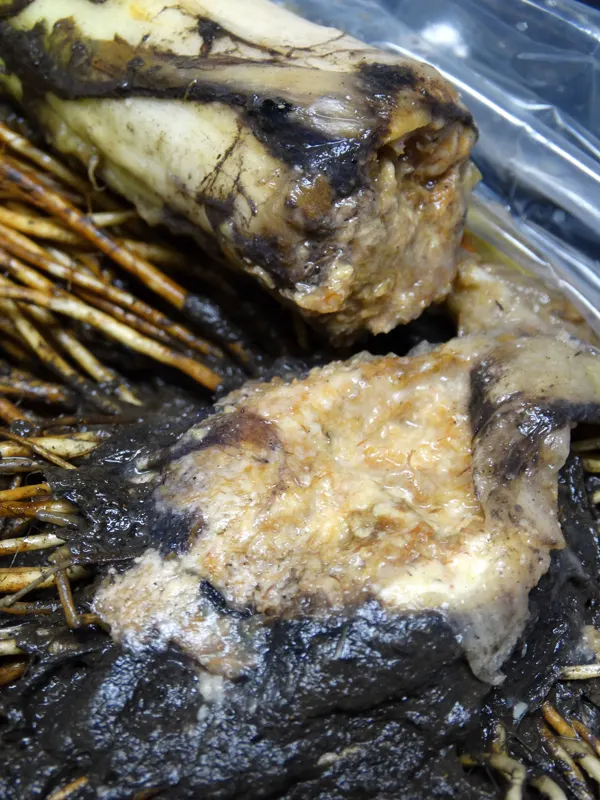
bacterial soft rots cause the formation of water-soaked spots. These spots enlarge over time and become sunken and soft....
Caterpillars will bore into the stems, stalks, and leaf veins. The entrance hole will be covered with silk and excreta. ...
"Size: Mature Cabbage heads are 6–8 inches in diameter and weigh 1.5–2 pounds. Color: Good quality Cabbage is pure whit...
The surface of the curd or head develops a pale brown to gray discoloration. The stem beneath develops grayish or black ...
hrips feed on cabbage leaves by puncturing and rasping the outer leaf tissue, which can cause small, brownish-gray wart-...