
Loading…
Tips and guides for growing plants at home, in pots, containers and terrace gardens
20 articles
 5 min
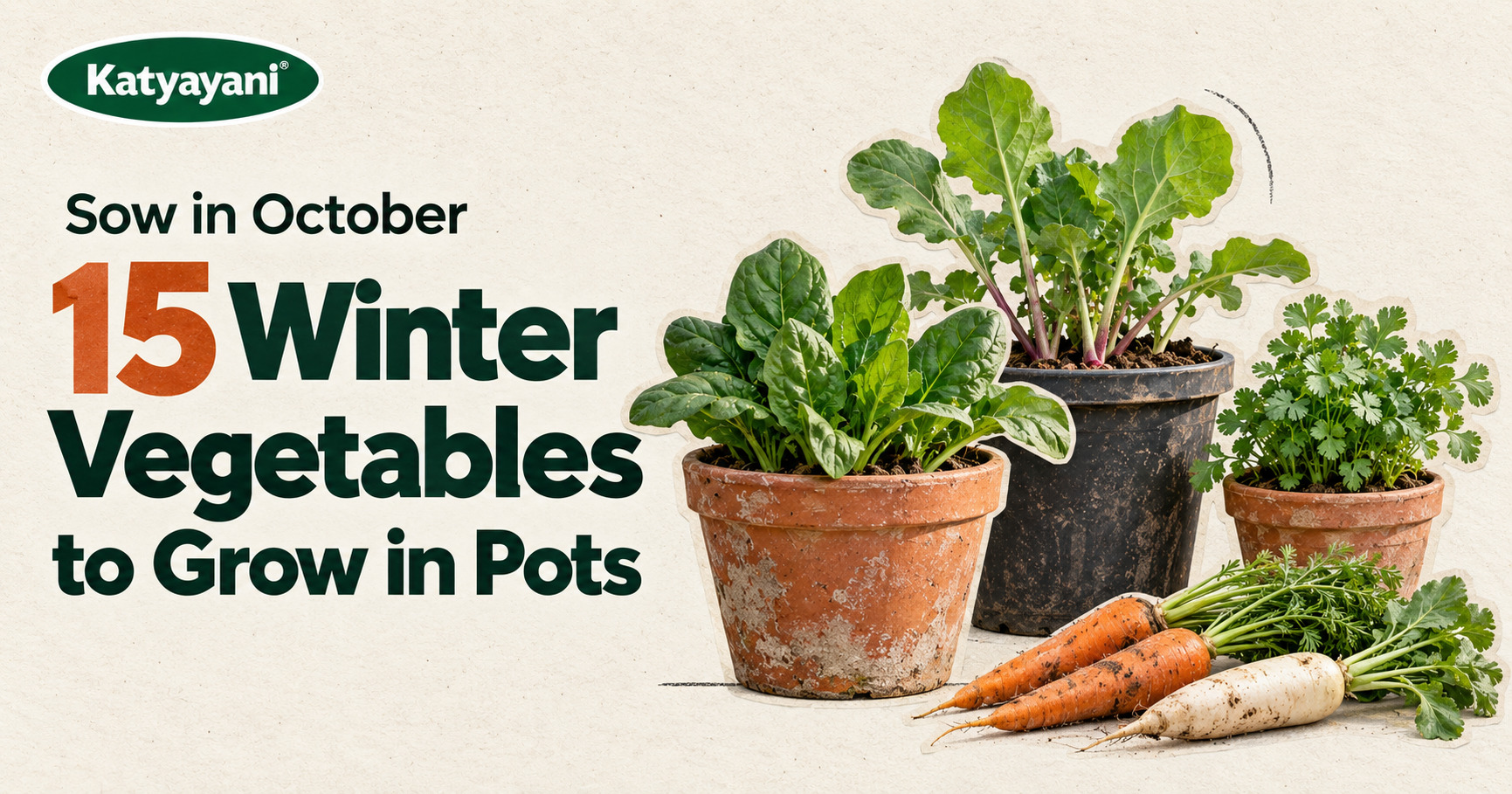
In the Indian plains, October is the month to sow spinach, methi, coriander, radish, carrot, beetroot, turnip, mustard greens, lettuce, peas and spring onion directly in pots, and to raise cauliflower, cabbage, broccoli and knol-khol seedlings. Use 6 to 8 inch pots for greens, 12 inch pots for roots, and 12 to 14 inch pots for cabbage-family crops.
 9 min
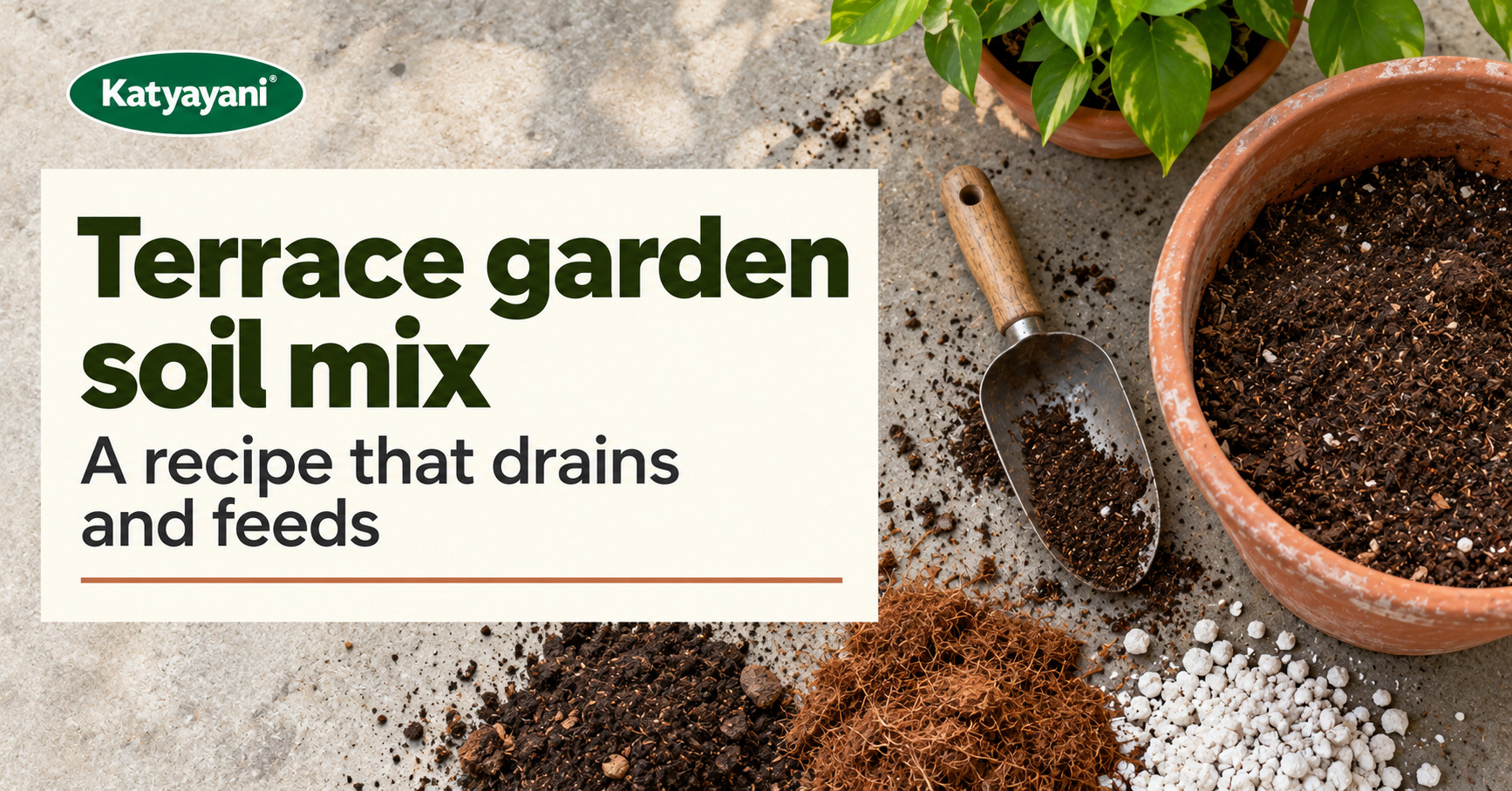
A working terrace mix is roughly 40 percent coco peat for water holding, 30 percent compost for nutrition and biology, and 30 percent perlite or coarse sand for drainage and air. Garden soil should be no more than a quarter of the total, and can be left out completely. The mix must drain within a mi
 11 min
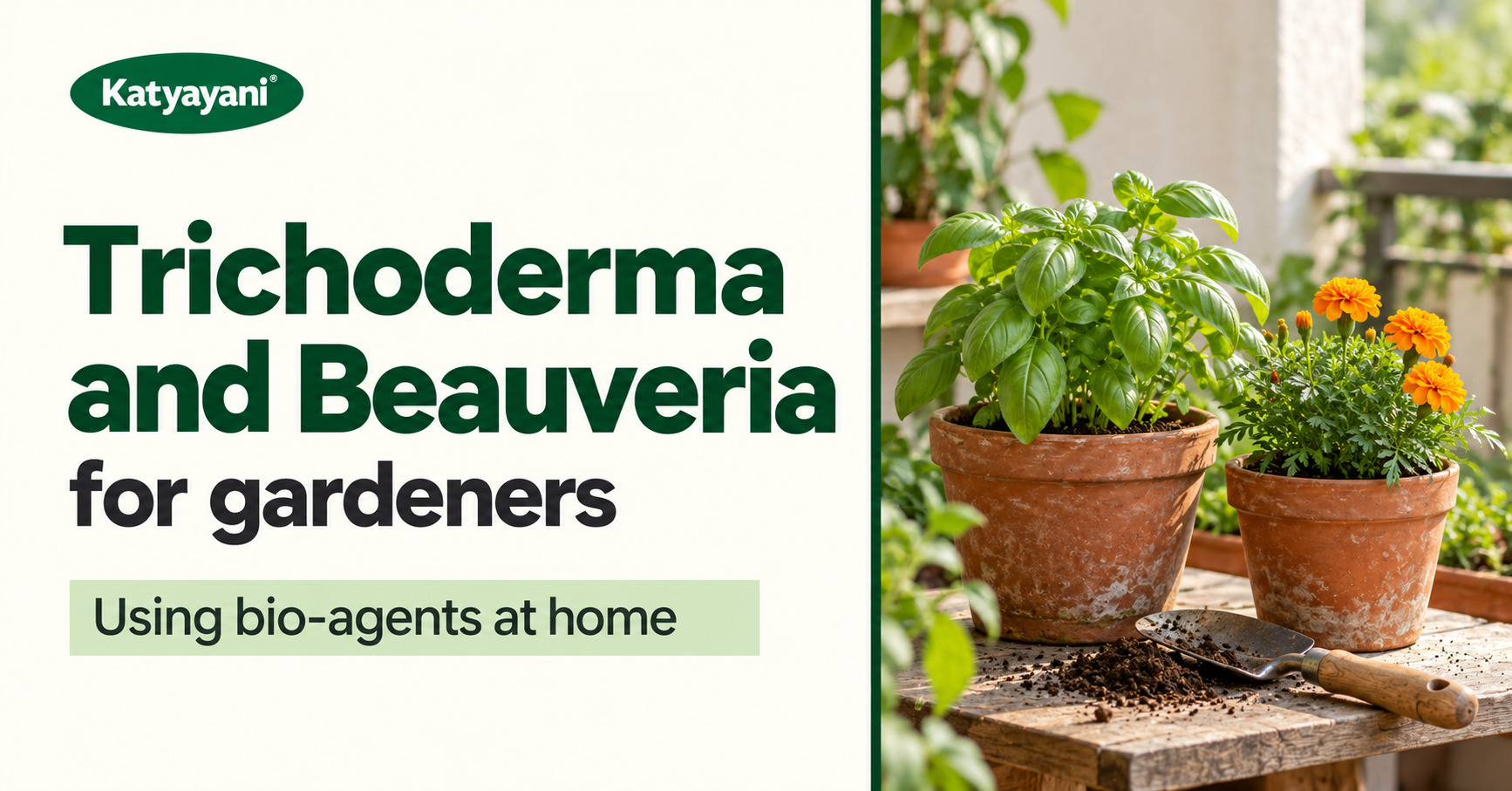
Trichoderma is a beneficial fungus for the root zone. It is used on seed, in the soil or compost, or as a seedling dip, to protect roots from soil fungi such as Fusarium, Pythium and Rhizoctonia. Beauveria bassiana is an insect-killing fungus that is sprayed on the pest, usually in the evening, and takes days to work. Official doses differ a lot by crop and product, so there is no single home-garden number: follow your product label. Do not mix either with a fungicide, wear gloves and a mask, and keep sprays away from flowers where bees are working. They reduce problems; they do not rescue a plant that is already dying.
 8 min
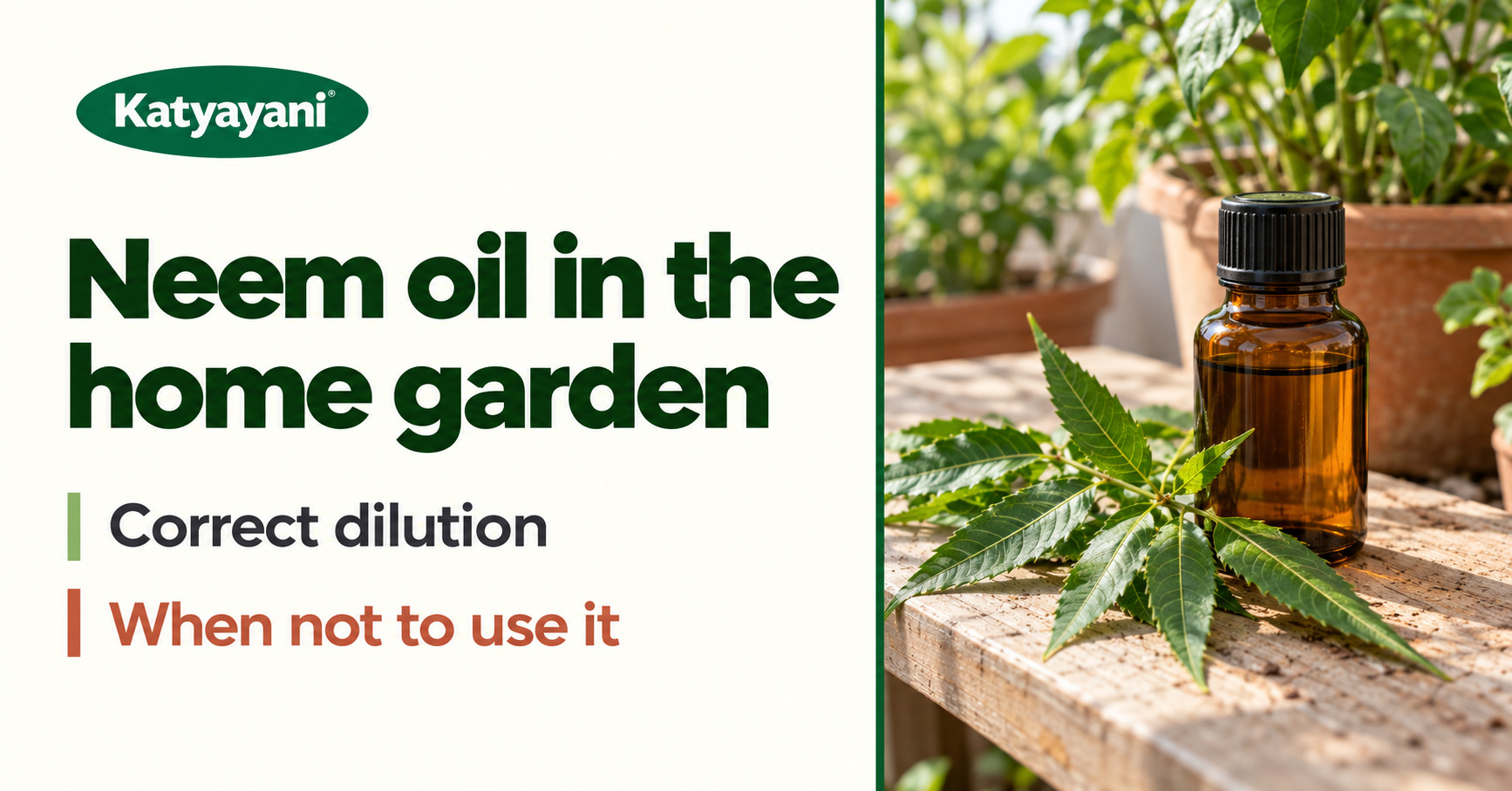
For a 3000 ppm azadirachtin neem oil, use 2 to 3 ml per litre of water for most garden pests. Higher concentrations need proportionally less: around 1 ml per litre at 10000 ppm, and 0.5 to 1 ml per litre at 50000 ppm. Always add an emulsifier, spray in the evening, and never spray a plant that is al
 8 min
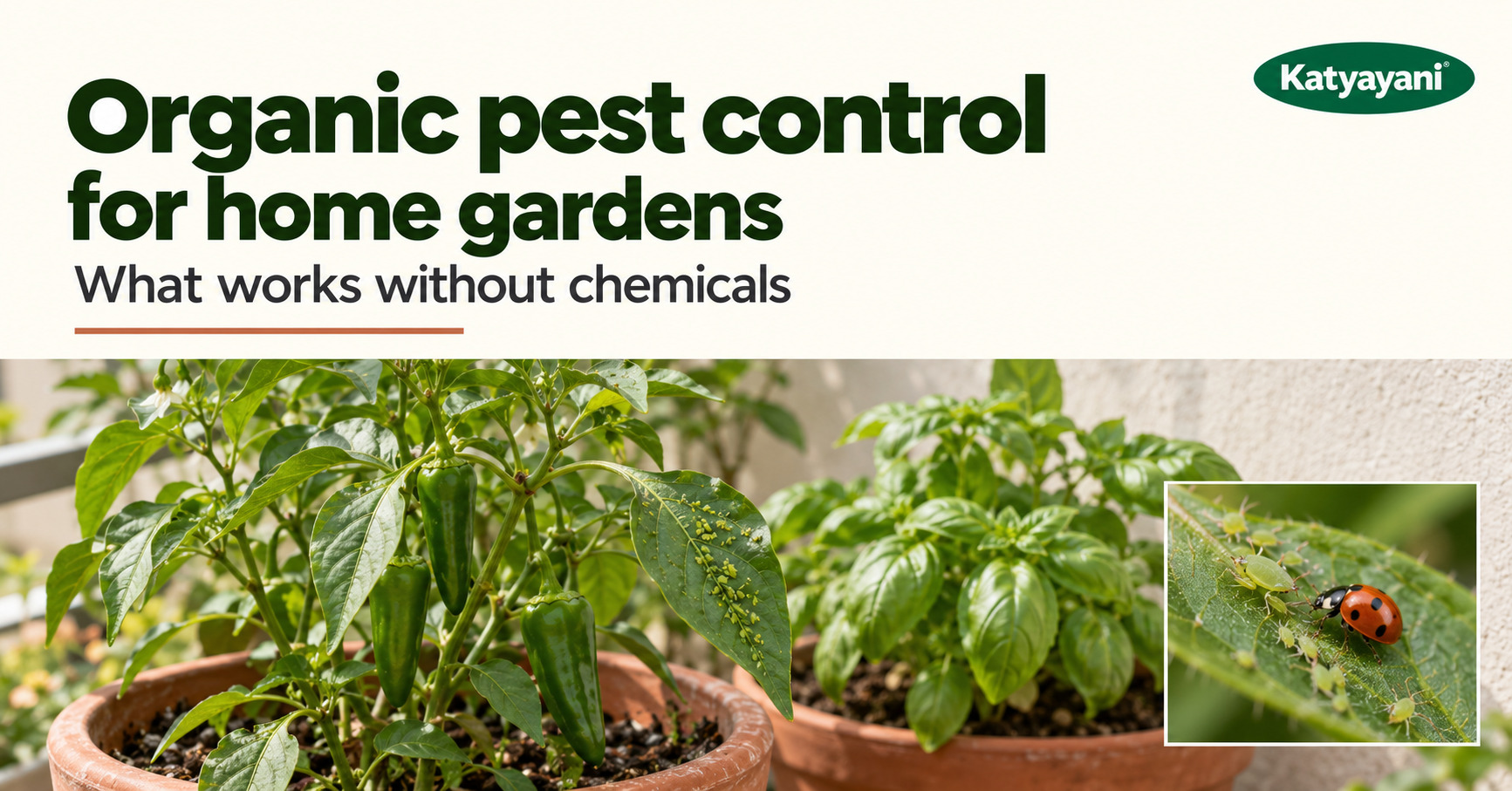
Organic pest control works when you catch the problem early. Neem oil handles soft-bodied insects such as aphids, whitefly and thrips. Fungal bio-insecticides like Beauveria bassiana and Verticillium lecanii handle the same pests more thoroughly but take a week. Insecticidal soap kills on contact. N
 9 min
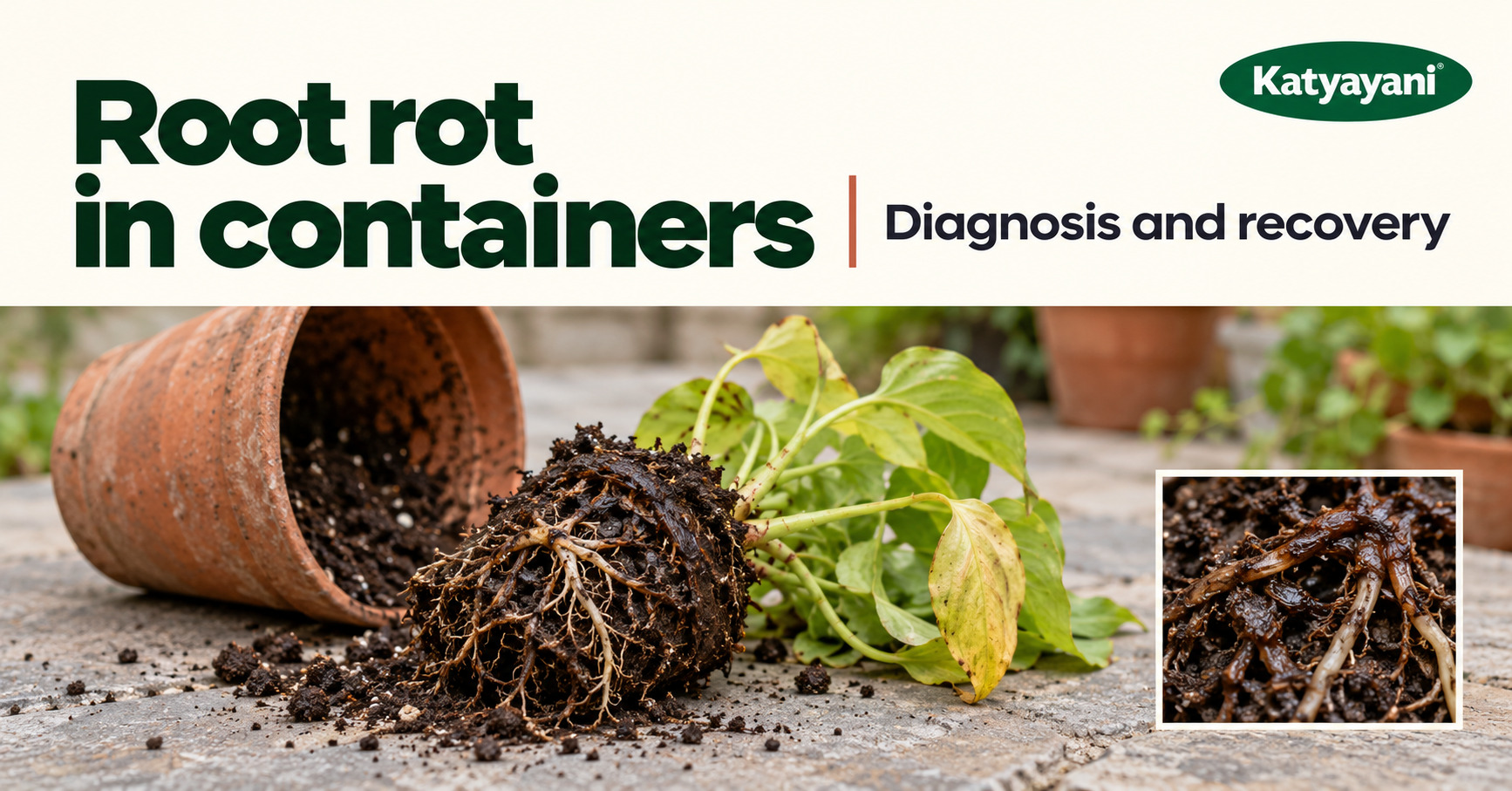
Healthy roots are white or cream, firm, and smell of soil. Rotted roots are brown or black, soft enough to squash between two fingers, and smell sour. If the outer layer slips off leaving a thin thread, that root is dead. Cut away everything rotted, repot into fresh dry mix, and do not water for sev
 9 min
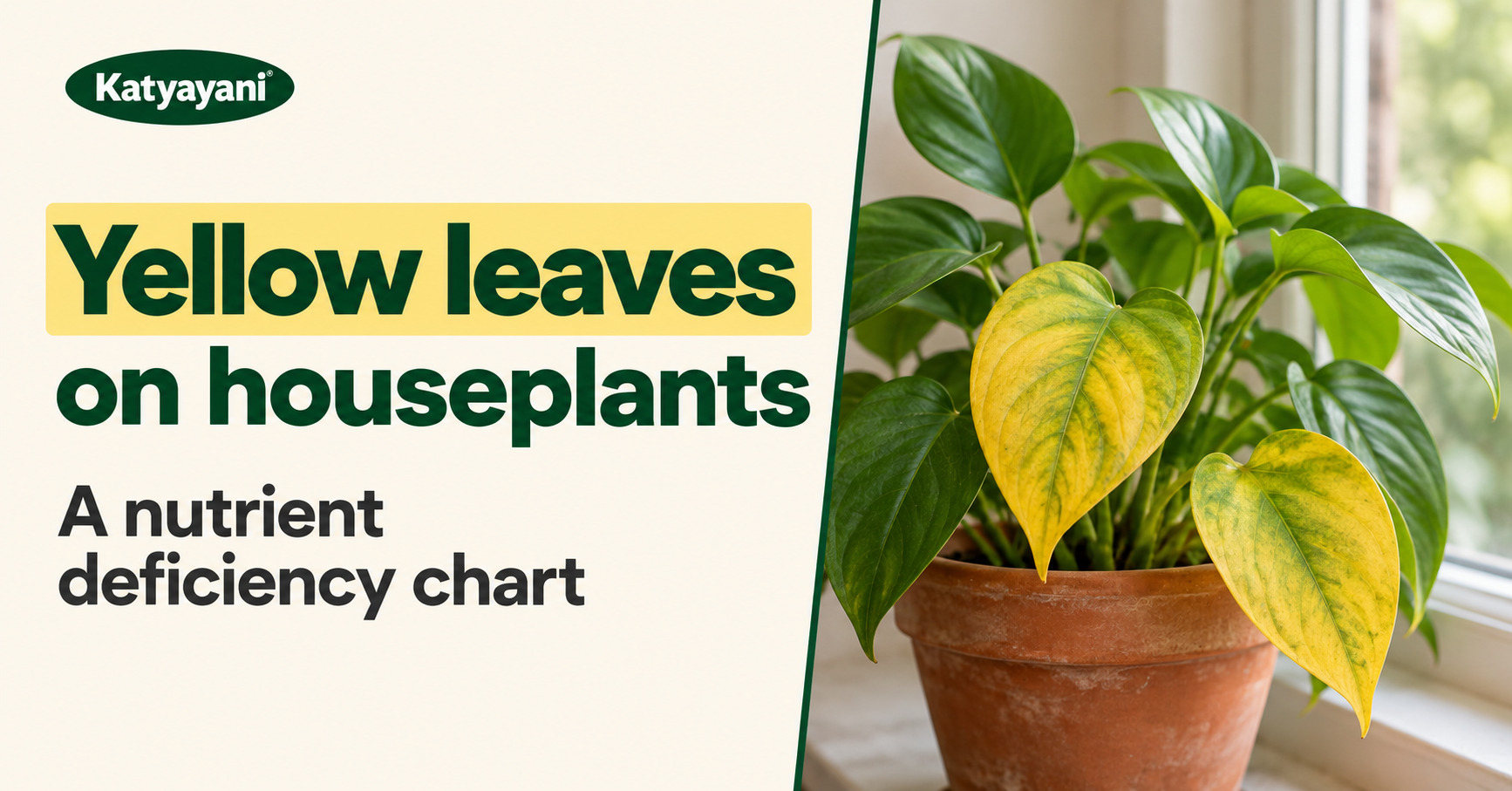
Start with one question: are the old leaves yellowing, or the new ones? Nutrients that move inside the plant, including nitrogen, magnesium and potassium, cause symptoms on old leaves first. Nutrients that cannot move, including iron, zinc and calcium, show on new growth first. That single split nar
 13 min
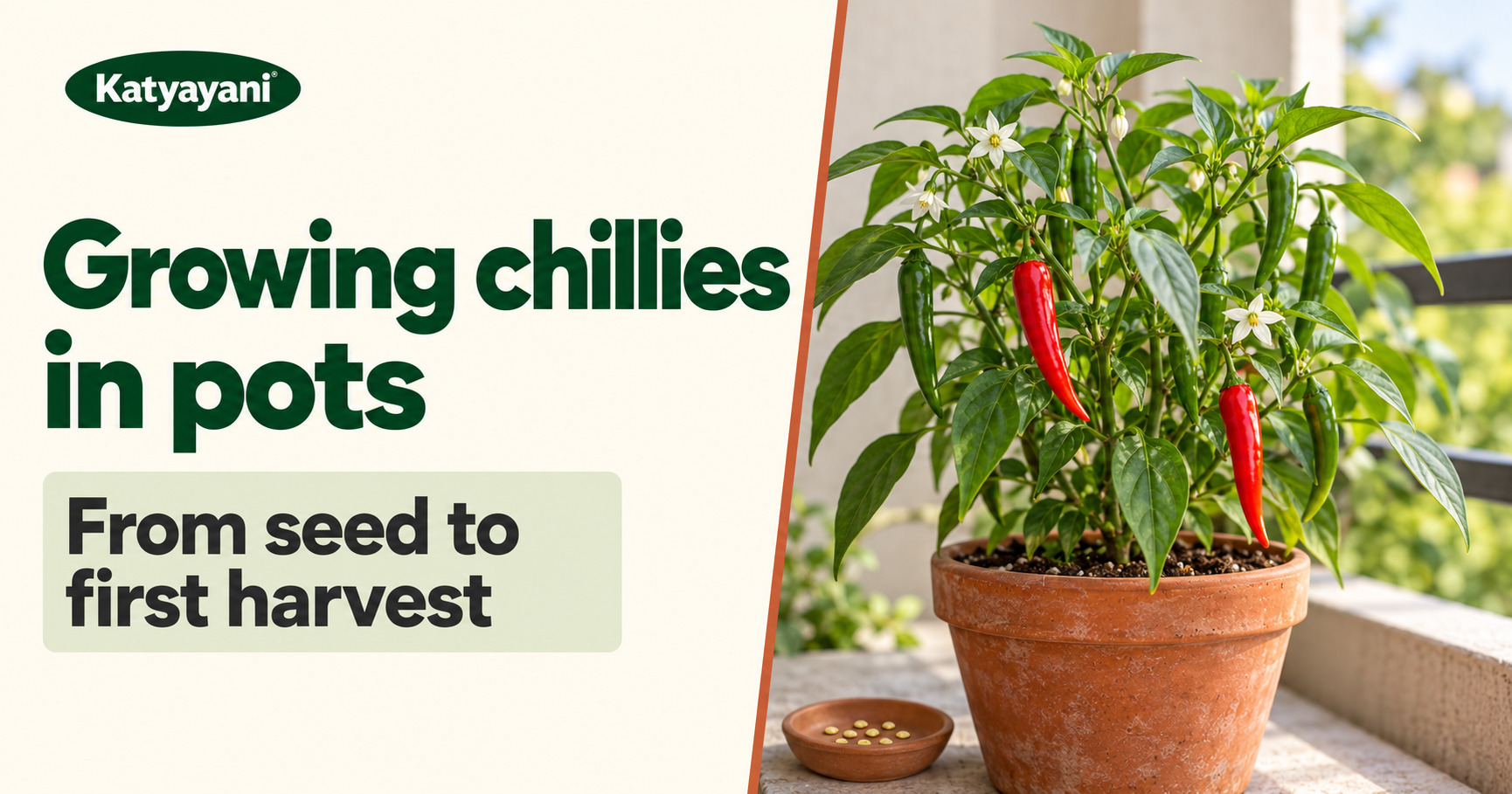
Use a pot of about 19 litres (5 gallon) or a 14 inch (about 36 cm) pot with drain holes, a loose soilless potting mix (never plain garden soil), and at least 6 hours of sun. Water when the mix dries, not on a clock. Feed lightly every 2 to 4 weeks with a slow-release or soluble feed. Expect first fruit about 3 to 4 months after sowing, longer for very hot types. Flowers drop when nights fall below about 16 C or rise above about 24 C, when the pot dries out, or when there is too much nitrogen.