
Loading…
Tips and guides for growing plants at home, in pots, containers and terrace gardens
20 articles
 15 min
Black spot is a fungal disease of rose caused by Diplocarpon rosae. It makes round black spots with feathery edges, mostly on the upper leaf surface, with yellow tissue around them, and infected leaves drop early (TNAU, UC IPM). The spores need leaves to stay wet for about 7 hours or more and travel in splashing water (UC IPM, Texas A&M). The fungus survives on fallen leaves and on cane lesions, so cleanup and pruning matter as much as spraying (UF/IFAS, Nebraska). Water the soil, not the leaves, in the morning; give roses space and at least 6 to 8 hours of sun. Fungicides protect new leaves and do not remove existing spots. Multi-site fungicides carry low resistance risk and products with different modes of action should be alternated (UF/IFAS, Nebraska). Follow the product label.
 17 min
Powdery mildew on rose is caused by the fungus Podosphaera pannosa. It shows as a white to grey powder on young leaves, shoots, sepals and buds, with distorted new growth and buds that fail to open. It does not need wet leaves, so it thrives in mild weather with humid nights, dry days, shade and still air. The fungus lives through the off-season in dormant buds and stems. Prevention works better than cure: sun, spacing, pruning for airflow, no excess nitrogen and removing infected shoots early. Sulphur and Bacillus products are mainly preventive, potassium bicarbonate has some eradicant action, and oils (including neem oil) work best as eradicants on mild infections. Rotate fungicide groups and follow the label.
 19 min
Microgreens are young vegetable or herb seedlings cut about 7 to 21 days after germination, with the stem and first leaves. For a first tray, sow radish, mustard or fenugreek on damp cocopeat in a shallow tray with drainage, keep it covered and dark for 1 to 3 days, then give bright light, gentle bottom watering and good airflow. Radish is ready in about 8 to 12 days, sunflower and pea in about 8 to 10. Most microgreens do not regrow. Buy untreated seed, keep trays clean, and do not treat microgreens as risk-free raw food.
 14 min
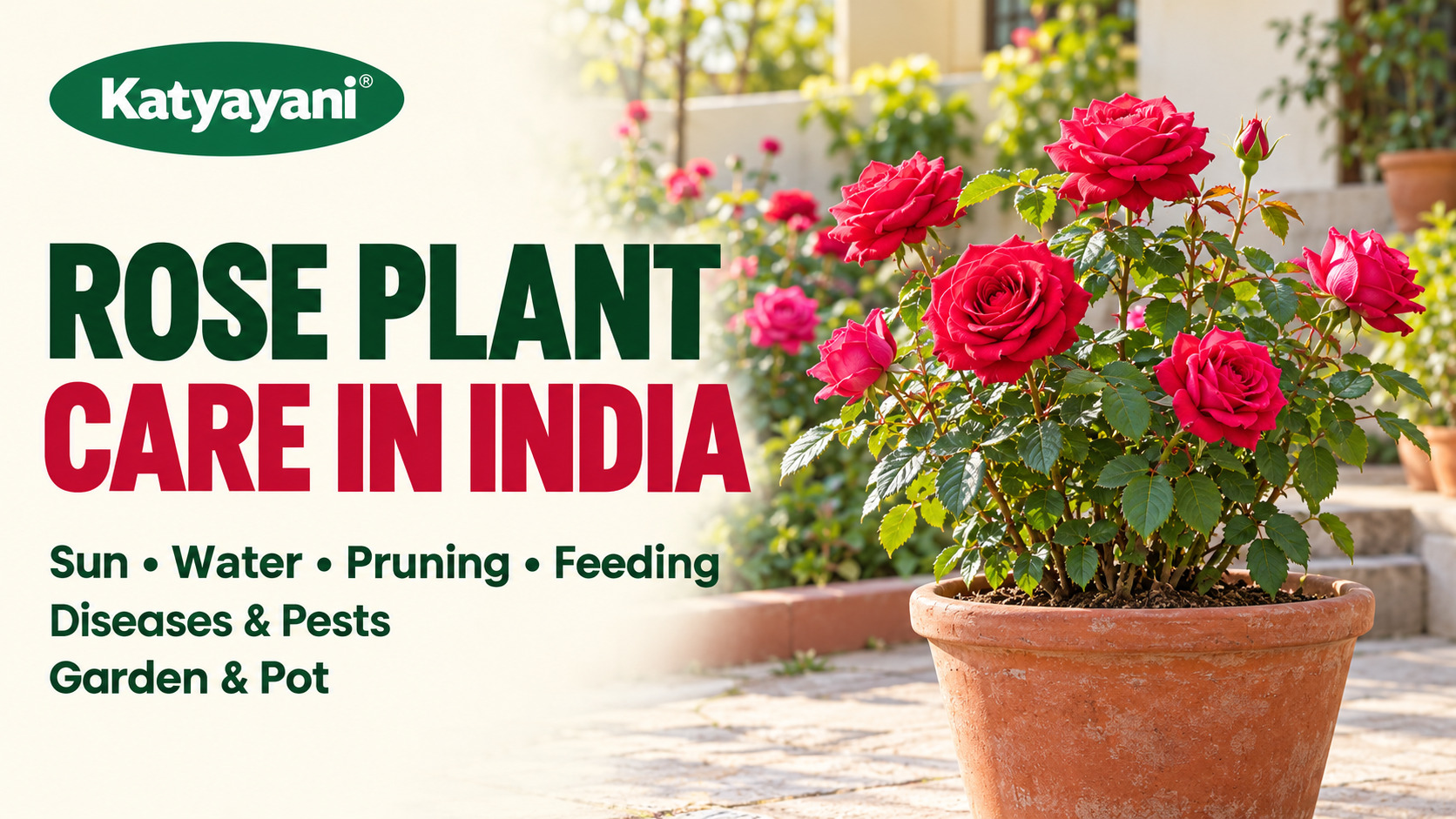
Give a rose at least 6 hours of bright sun (TNAU), a well-drained sandy loam near pH 6 to 7, and a deep watering at the base rather than a daily sprinkle. TNAU says water every 2 days until the plant is established and then about once a week; Iowa State suggests a thorough soak every 7 to 10 days in dry weather. Prune when the plant is dormant or nearly dormant, which differs by region: cut strong old shoots back by half, remove weak, diseased and crossing shoots, and expect flowers about 45 days later (TNAU). Feed with compost or well-rotted manure after pruning. Keep leaves dry, pick up fallen leaves, and check leaf undersides each week for aphids, thrips and mites. Use only a product whose label lists roses.
 12 min
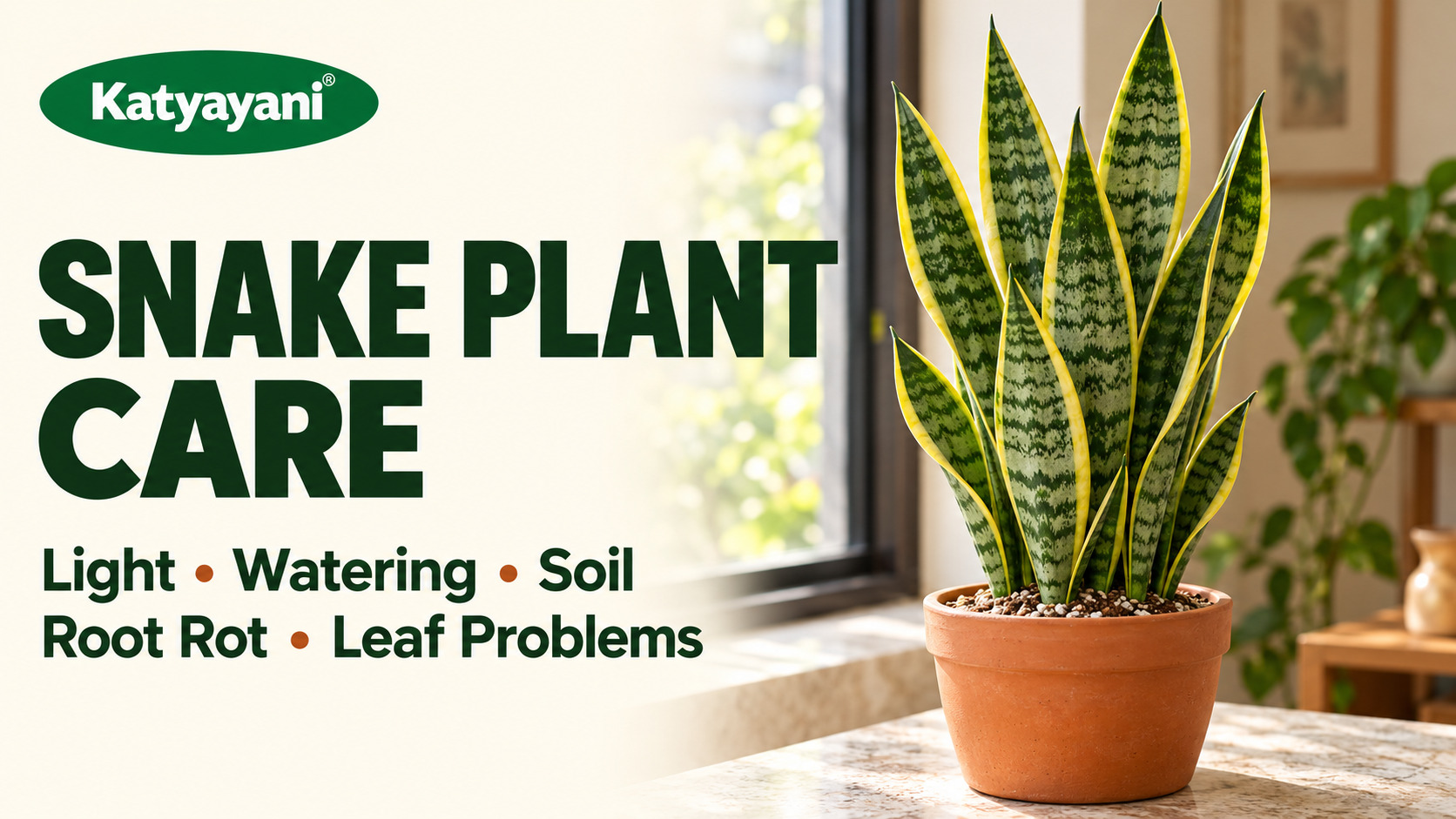
Give a snake plant (Dracaena trifasciata, formerly Sansevieria) bright, indirect light, a fast-draining mix, a pot with drainage holes, and water only when the soil is dry. Clemson says every 2 to 4 weeks while growing and every 4 to 6 weeks in fall and winter; Penn State says simply "water only when it is dry". Overwatering is the main killer: Penn State calls root rot a common affliction of snake plants. It is toxic to cats and dogs if eaten (ASPCA), and a 2019 Drexel review found potted plants have an irrelevant effect on room air. Check the soil, not the calendar.
 20 min
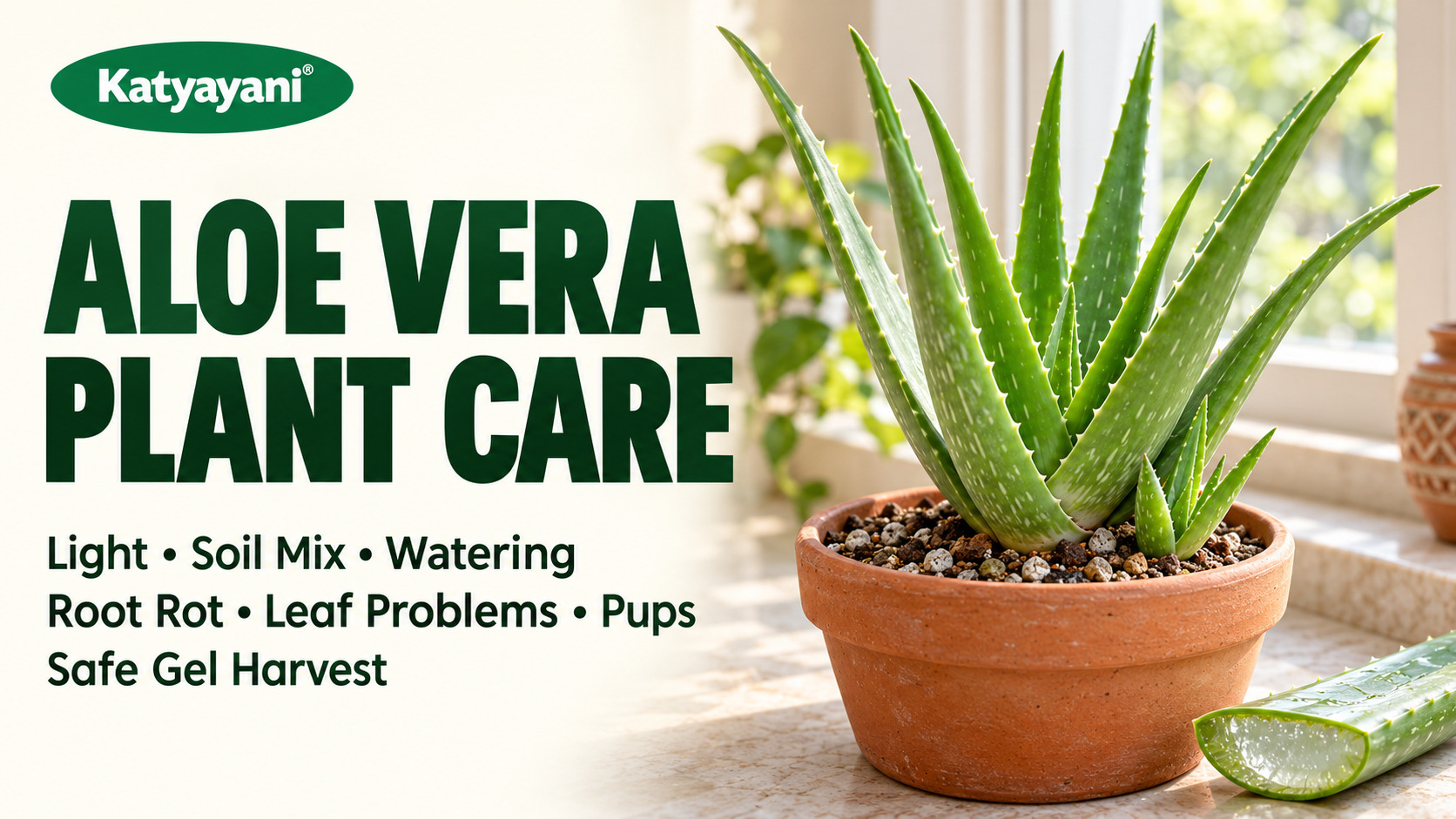
Aloe vera needs bright light, a fast-draining mix and a pot with holes. Water deeply, then wait until the soil has dried out completely before watering again, and water less in winter when the plant slows down. Overwatering and root rot are the main cause of death, and advanced rot has no cure. Repot about every two years and remove pups once they are a couple of inches tall. Do not eat the plant without medical advice.
 13 min
A vertical garden grows plants upward on a wall, rail or frame so a small space holds many plants. Start with your sun, not your style. Leafy greens need about 3 to 6 hours of full sun, root crops 5 to 6 hours and fruiting vegetables such as tomato, chilli and brinjal at least 6 hours (NC State Extension). Use a light potting mix with drainage holes in every container, put heavy plants low, and water by drip if the wall is tall. Wet soil is heavy, so ask a structural engineer before loading a wall. For cost, ICAR-IIHR lists its Arka vertical garden structure at Rs 22,000 for one square metre of floor; for any other system, fill the cost worksheet below and compare written quotes.
 14 min
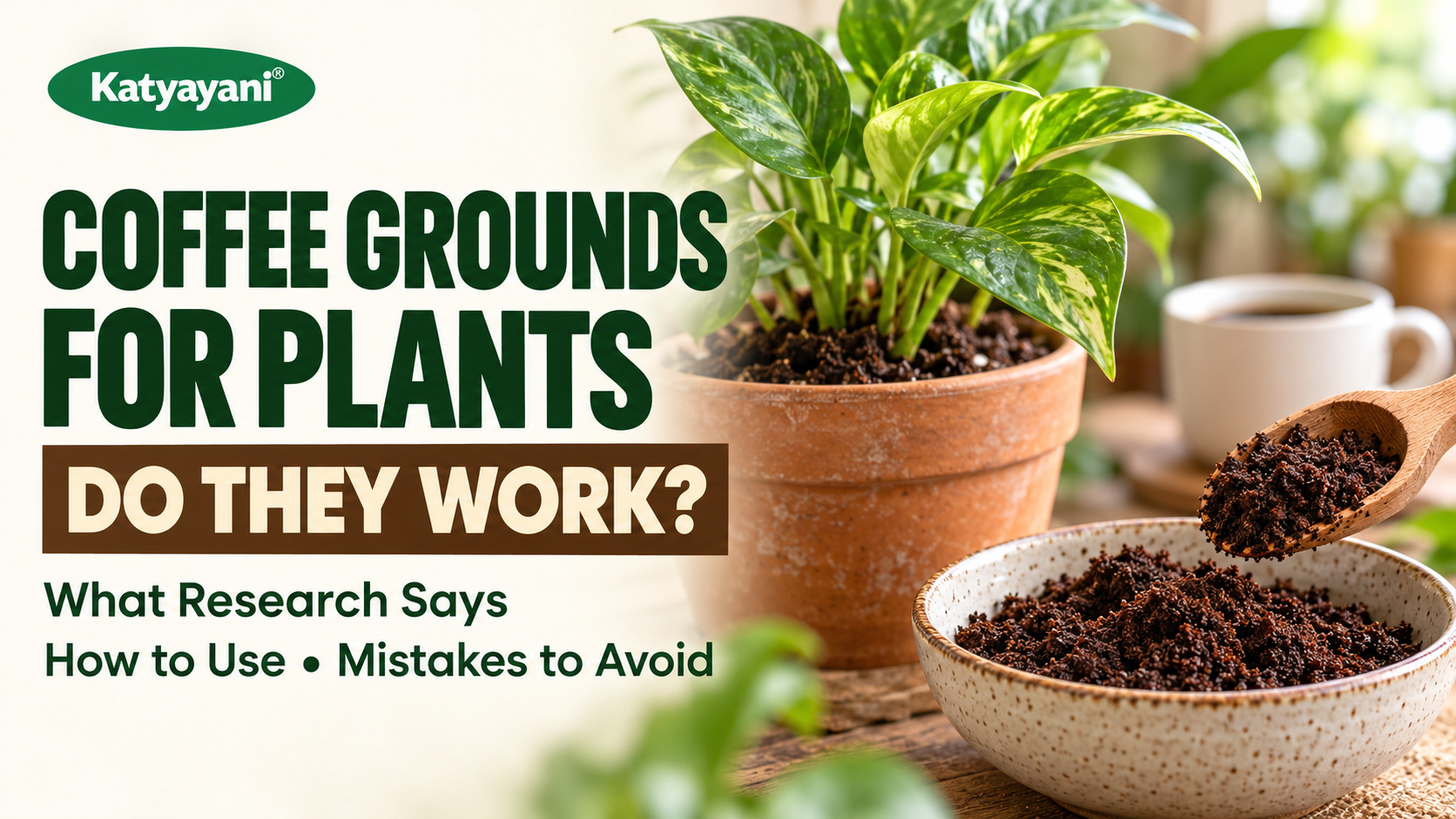
Used coffee grounds can help, but not as a quick fertiliser. They hold only about 1 to 2 percent nitrogen, and most of it is locked up until microbes break the grounds down. Oregon State and Washington State extension say the best use is in compost, kept to no more than 20 percent of the pile by volume. Used grounds are near neutral (pH 6.5 to 6.8), so they will not acidify soil. If you put them straight on soil, use about half an inch mixed into the top 4 inches, never a thick layer, and never where you are sowing seeds.
 5 min
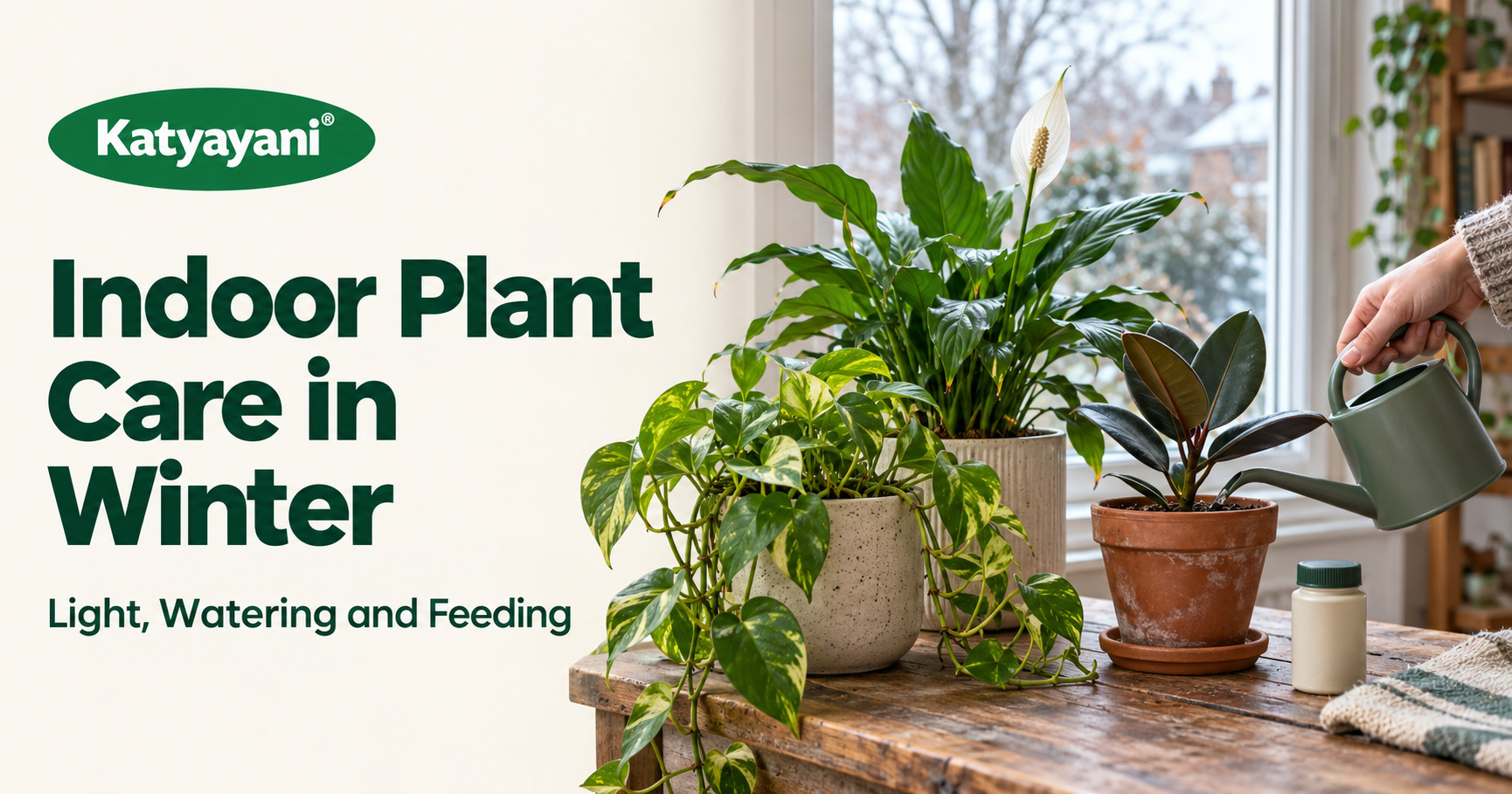
In winter, move indoor plants to the brightest window, water only when the top 2 to 5 cm of soil is dry, and stop or halve feeding until spring. Keep them between about 15 and 24°C (60 to 75°F), away from heaters and cold glass, and raise humidity with trays or grouping. Check for spider mites and fungus gnats weekly.
 5 min
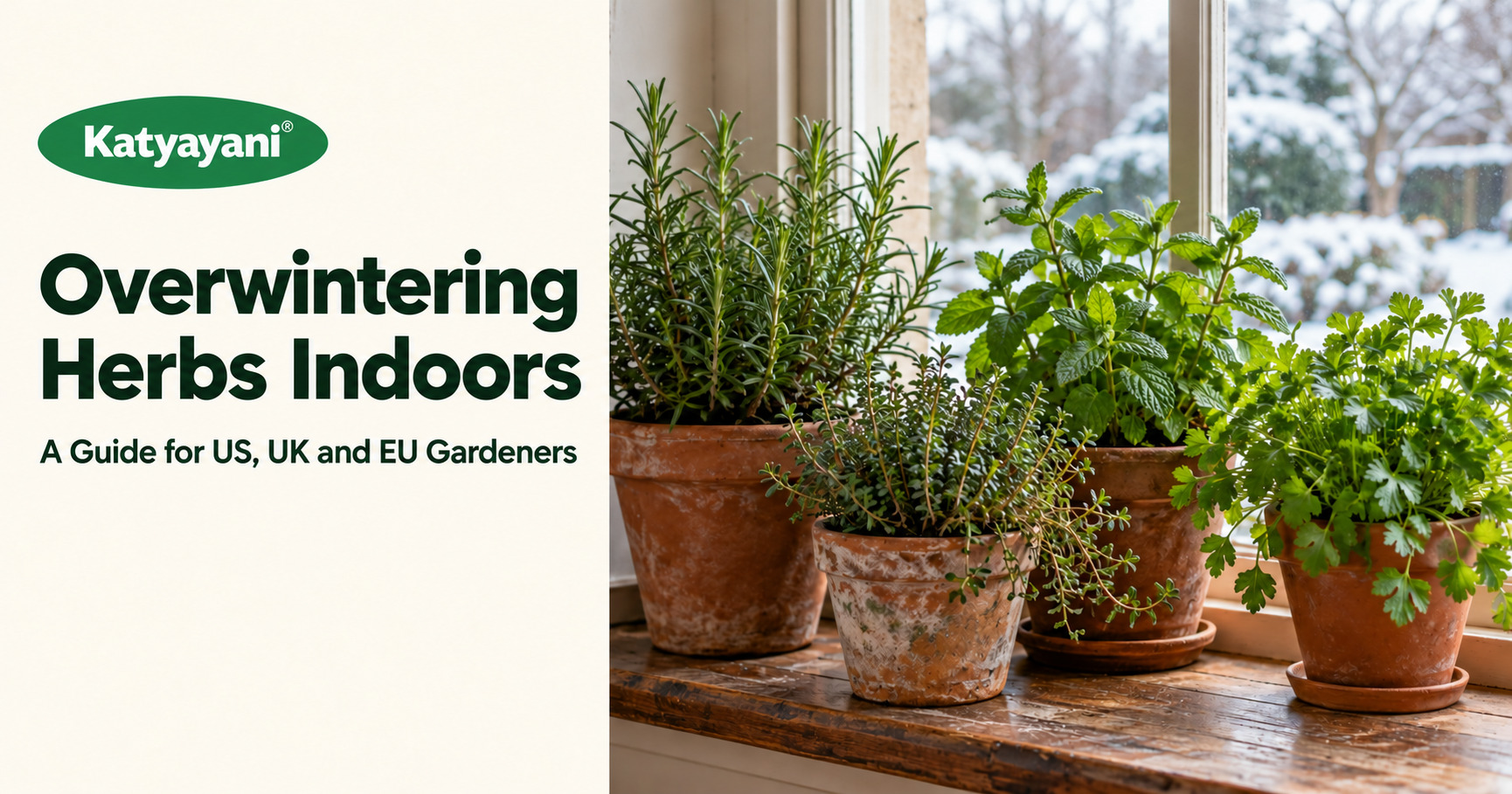
Bring tender herbs such as rosemary, bay, lemon verbena and basil indoors before nights fall below about 45 to 50°F (7 to 10°C). Pot them in free-draining mix, give a south-facing window or 12 to 14 hours of grow light, keep them at 50 to 65°F (10 to 18°C), and water only when the top inch is dry.
 5 min
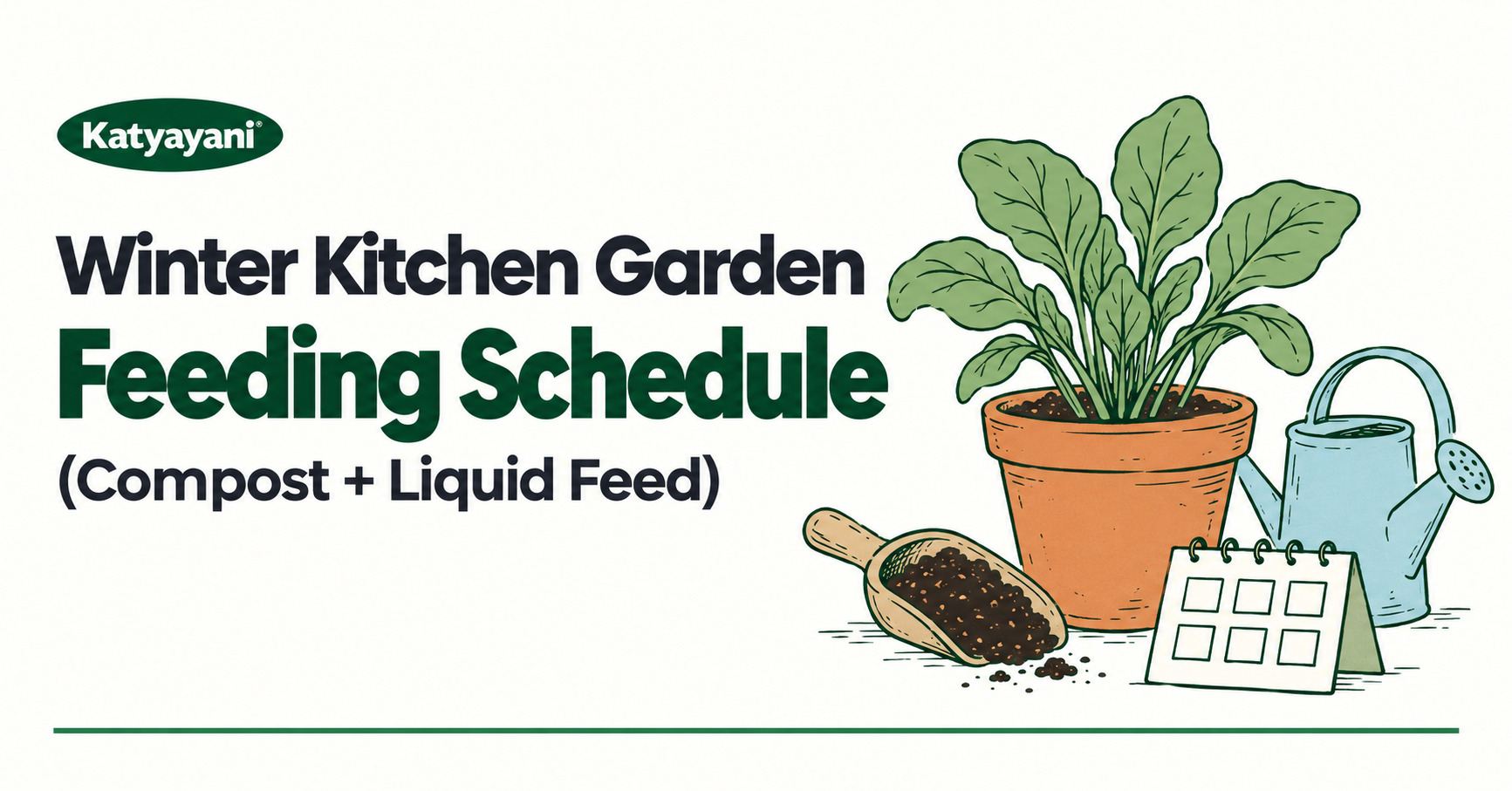
A simple winter kitchen garden fertilizer schedule is: mix 25 to 30 percent compost or vermicompost into the potting mix at sowing, top-dress 100 to 150 g vermicompost per 12 inch pot every 3 to 4 weeks, and give a diluted liquid feed such as seaweed extract every 10 to 15 days. Feed less in December and January.
 12 min
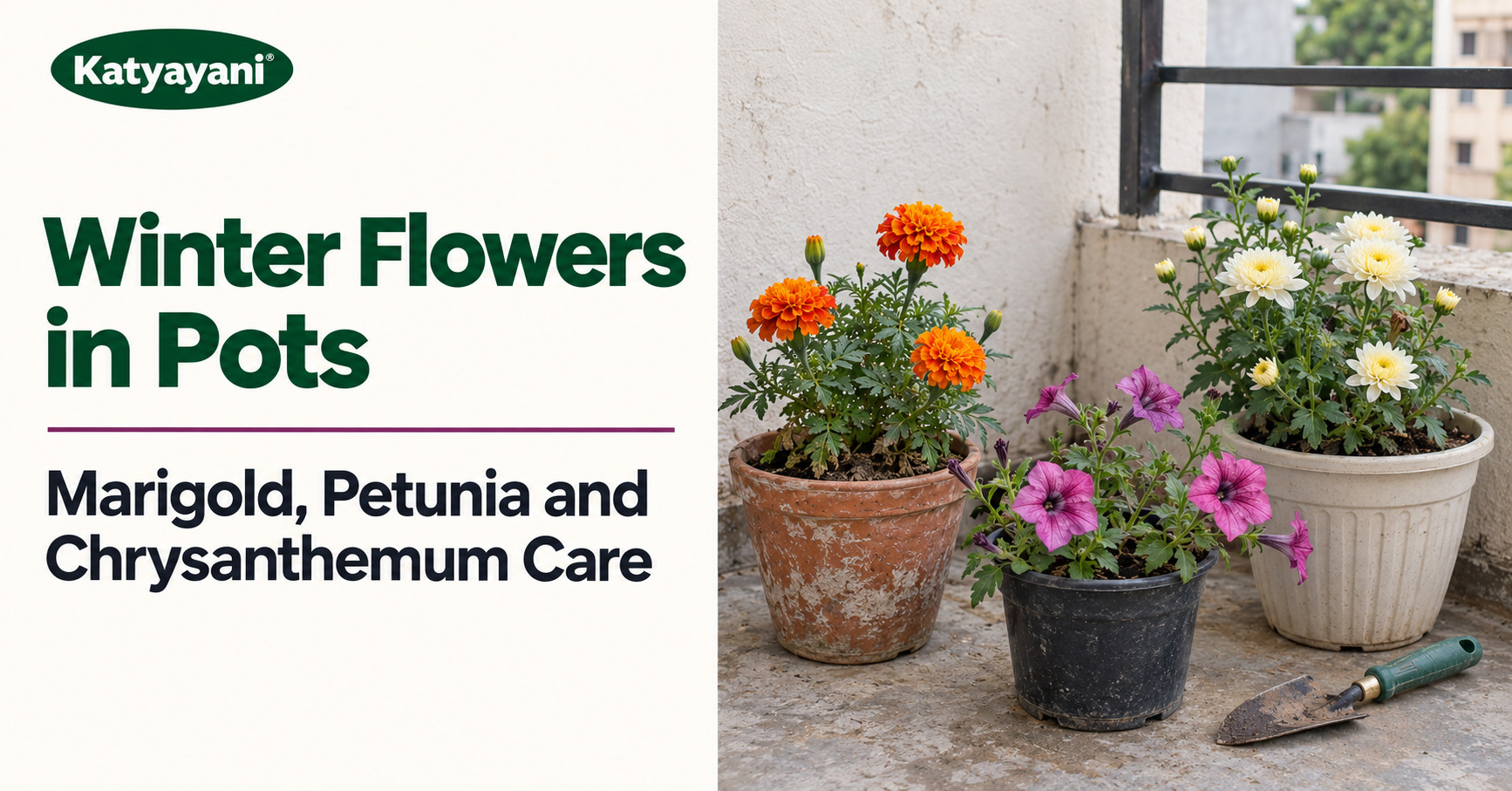
For pots in the Indian cool season, the flowers with the best support in opened sources are marigold, petunia, pansy, dianthus (pinks) and chrysanthemum. Use a pot with drainage holes and go as big as you can; the University of Georgia says small 6 inch pots restrict roots and reduce flowering. Give petunia, dianthus and chrysanthemum at least 5 to 6 hours of sun (Penn State for chrysanthemum, Illinois and RHS for petunia and dianthus). Water when the top layer dries, feed every 1 to 3 weeks, pinch the tips of marigold and chrysanthemum early, and remove faded flowers. Stop feeding chrysanthemum once buds form.