
 13 min read
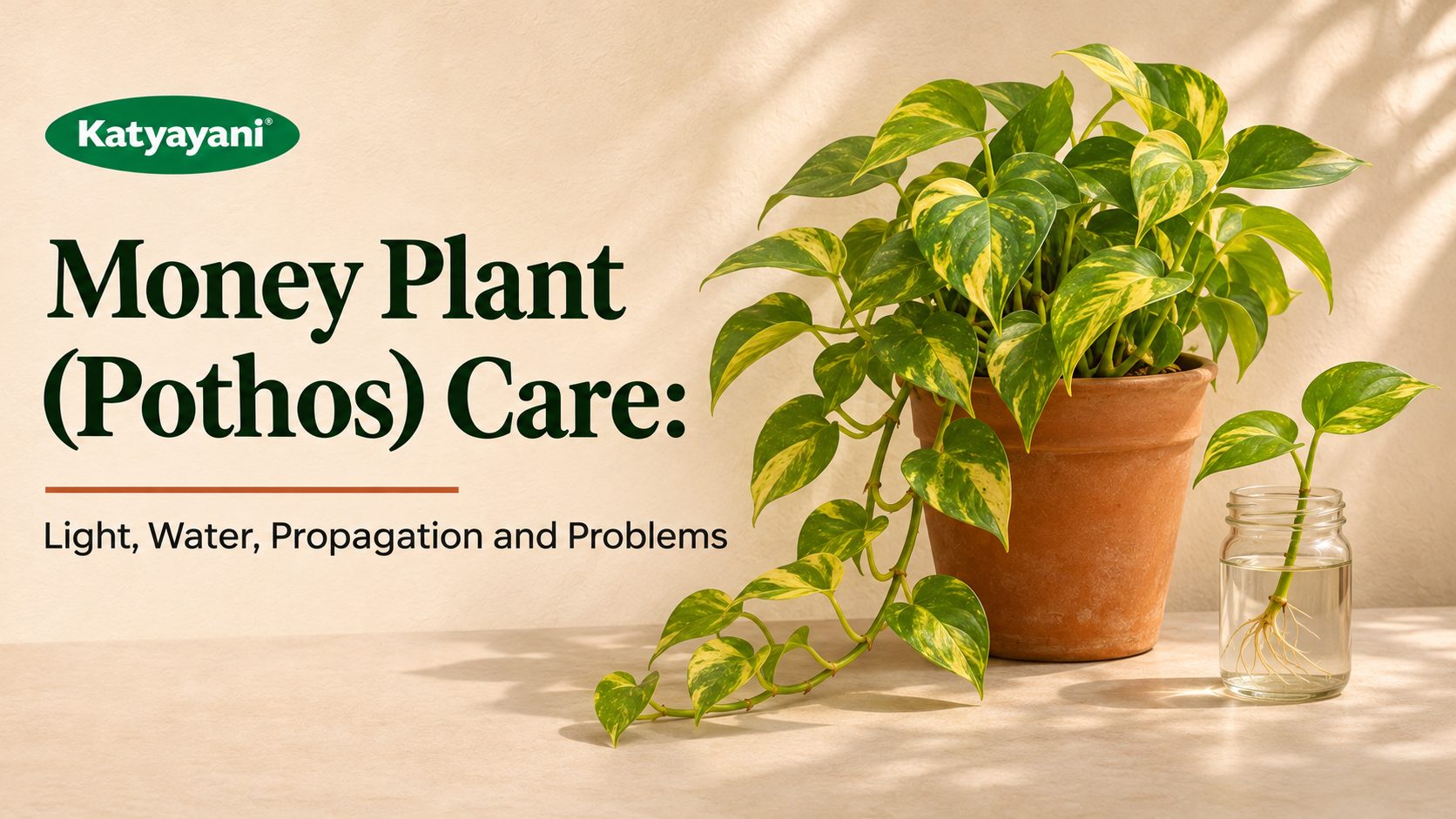
Money plant is the Indian name for pothos, Epipremnum aureum. Give it bright, indirect light and let the soil dry between waterings, because overwatering causes root rot. It likes about 60 to 85 F (16 to 29 C) and roots easily from stem cuttings with at least one node. All parts are poisonous if eaten, so keep it away from children and pets.
What is a money plant (pothos)?
Money plant is the common Indian name for pothos, a trailing and climbing houseplant with glossy, heart-shaped leaves. Its botanical name is Epipremnum aureum, and it belongs to the arum family, Araceae. The Royal Horticultural Society (RHS) calls it an evergreen, self-clinging climber with aerial roots that can also trail.
Other names are Ceylon creeper, devil's ivy, hunter's robe and Joseph's coat. Young leaves are oval and glossy with cream or yellow marks, says the RHS. Mature leaves can be deeply lobed, and flowers are rarely seen in cultivation. Penn State Extension says indoor leaves are 3 to 6 inches (7.5 to 15 cm) long and stems can reach 8 to 10 feet (2.4 to 3 m) or longer.
It is also an easy plant. Iowa State Extension calls it one of the easiest and most forgiving houseplants. It grows in low to moderate light and likes the soil to dry moderately between waterings. NC State calls it low-maintenance. It still has a few weak points, and the rest of this guide covers them.
How much light does a money plant need?
Bright, indirect light is best, and the plant survives in low light. Clemson Extension says it prefers bright, indirect light but tolerates lower light. Penn State advises moderate to bright light with no direct sun, because direct sun yellows the leaves. The RHS says indoors it needs full or bright filtered light.
Low light costs you colour. Penn State says the plant survives for a while but eventually loses variegation and brightness. Clemson, Wisconsin and NC State say the same about variegated types. Clemson adds that intense light causes scorch and tip dieback.
Penn State says to turn the pot once a week, because the leaves reach toward the light and growth stays even. If your room is dim in the cold months, the guide on indoor plant care in winter shows how to use a bright window.
Where in the house should I put a money plant?
Put it in a bright room with filtered light, away from vents and windowsills. Penn State says a plant stand, a hanging basket or the top of a tall cupboard all work, as long as the plant gets bright light without direct sun.
Clemson says hanging baskets suit pothos, and that it does well with regular pruning. It warns against windowsills and heating vents in winter, and air-conditioner vents in summer, because hot or cold air can dry out the leaves. South Dakota State says bathrooms and kitchens are good places because they hold more humidity. It also says the plant copes with fluorescent light, as found in offices and dorm rooms. Whatever spot you pick, keep it out of reach of children and pets.
How often should I water a money plant?
Water when the top of the soil is dry, and let the extra water drain out. There is no fixed number of days. Penn State says the plant tolerates dryness better than excess moisture. Clemson says to water thoroughly so moisture reaches all the roots, then let the soil dry before the next watering.
Wisconsin, NC State, Iowa State and South Dakota State give the same rule in their own words: let the soil dry out between waterings. Penn State adds that underwatering may cause temporary drooping.
Too much water is the common mistake. Penn State and Wisconsin both link root rot to overwatering. South Dakota State Extension says black spots on leaves suggest overwatering, and drooping means the plant needs water, so water before the leaves shrivel. Dry brown leaf edges suggest the plant stayed too dry for too long.
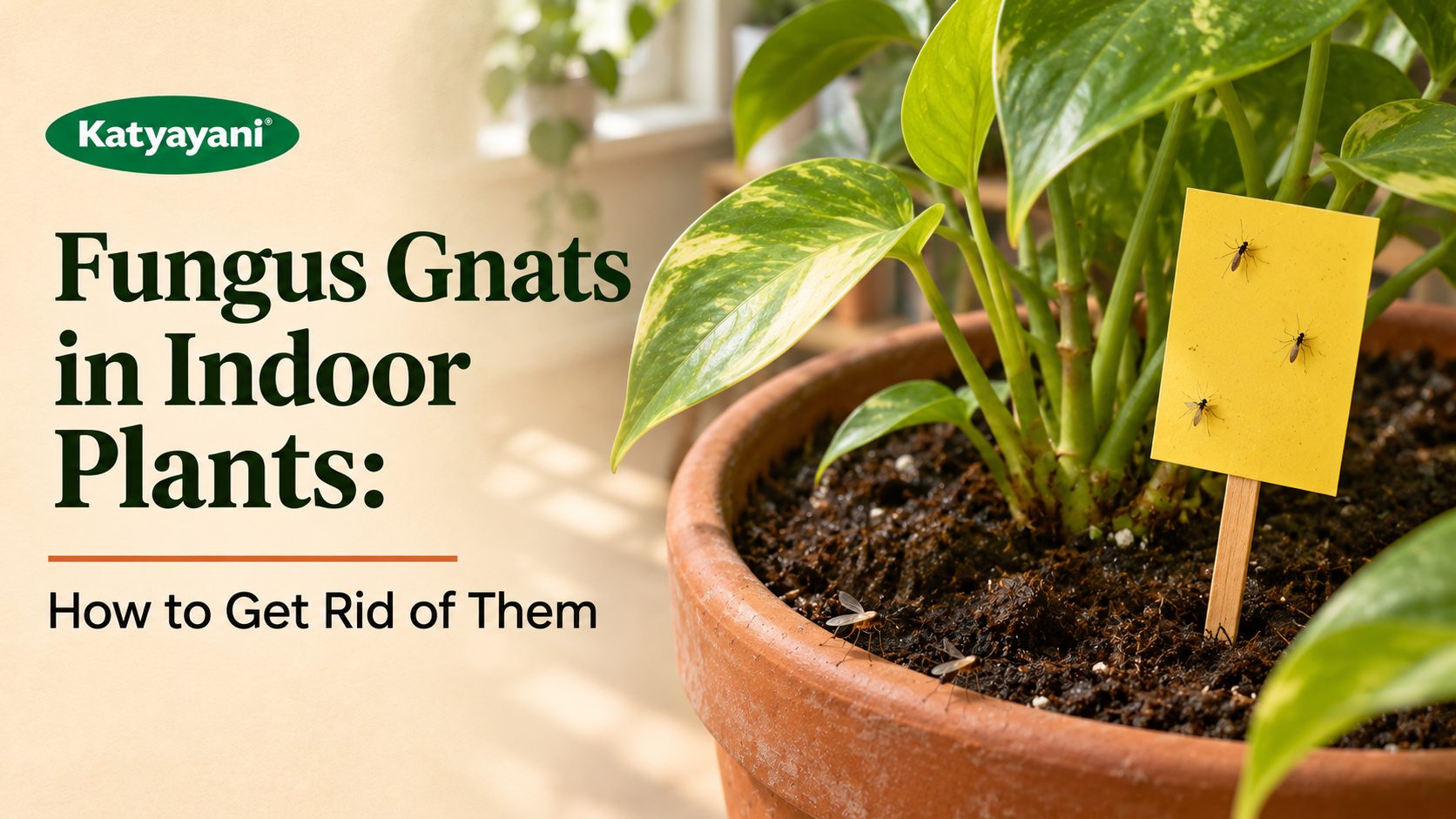
Clemson says to use a pot with drainage holes. If you see tiny flies around the pot, read the guide on fungus gnats in indoor plants.
What temperature and humidity does a money plant like?
Normal room temperature suits it. Extension pages give ranges between 60 and 90 F (16 to 32 C), and Wisconsin says to keep it out of drafts. Humidity is less of a worry. Clemson says it tolerates low humidity, though 50 to 70 percent is preferred, and that average homes run at 30 to 60 percent.
| Source | Temperature range |
|---|---|
| Penn State | Room temperature between 60 and 80 F (16 to 27 C) |
| Clemson | Day 70 to 85 F (21 to 29 C). Night 60 to 70 F (16 to 21 C) |
| Wisconsin | Best between 70 and 90 F (21 to 32 C). Hardy outdoors only in USDA zones 10 to 12 |
| South Dakota State | 65 to 75 F (18 to 24 C) is acceptable |
| RHS | Rated H1B: can be grown outside in summer with minimum temperatures of 10 to 15 C |
Wisconsin says cold, or a sudden shift from very hot to mild, can leave scattered brown patches. To raise humidity, NC State suggests a humidifier or a tray of wet pebbles under the pot. Brown tips can also come from the causes in the leaf problem table below.
What soil and pot are best, and when should I repot?
Use an airy, well-draining mix in a pot with drainage holes, and repot when roots show through the holes or the plant feels crowded. Clemson says most plants need repotting every one to two years, depending on growth rate. Wisconsin simply says to use a well-aerated growing medium.
Penn State advises repotting once a year in spring, into a slightly larger container with a good-quality, well-draining soilless potting mix. It says to trim some roots and cut up to one third of the vine length when you repot. Then give fresh soil and avoid overwatering, since extra water adds stress. A plant that stays in the same pot still gains from the fresh soil.
For more on soil mixes, see the post on terrace garden soil mix.
How and when should I feed a money plant?
Feed lightly, about every two months in spring and summer, and skip winter. Most extension pages agree. Penn State gives a heavier plan, so the table shows each one.
| Source | Feeding plan |
|---|---|
| Wisconsin | Every other month, except in winter |
| NC State | Every other month, except when dormant in winter |
| South Dakota State | Balanced fertiliser every two months. Skip the winter rest |
| Clemson | Houseplant fertiliser every other month in spring and summer, if leaves yellow from low fertility |
| Penn State | Balanced houseplant food monthly in winter and every two weeks the rest of the year |
South Dakota State says pothos is not a heavy feeder. More is not better. Wisconsin warns that too much fertiliser can blacken leaf edges or tips from salt build-up, while Clemson links yellow leaves to low fertility.
How do I grow new money plants from cuttings?
Cut a stem just below a node, and root it in water or soil. A node is the point on the stem where a leaf joins, and it is where new roots come out. Clemson says stem cuttings root easily in soil or water but need at least one node. Wisconsin says vines root in water or vermiculite in 3 to 4 weeks.
- Pick a healthy vine. Penn State says stem cuttings are most successful from spring through summer, and the RHS also says spring or summer.
- Cut just below a node, as South Dakota State says. Penn State says to use sharp scissors. Make sure the cutting has at least one node.
- Place the cutting in water or in moist potting mix. NC State says the vines easily root in water.
- Keep it warm. Wisconsin says roots take 3 to 4 weeks, and buds can start in 1 to 2 weeks in warm temperatures.
- When the roots are well established, move the cutting to potting soil, as South Dakota State advises. Wisconsin says to plant several rooted cuttings together in one pot for a fuller plant.
There are other ways too. Penn State says you can divide the plant at repotting, and that layering works because aerial roots form at the nodes. Wisconsin adds air layering as a method.
How do I prune a money plant and make it bushier?
Cut the vine just above a node, and pinch the tips to get side shoots. Penn State says to cut a vine with sharp scissors just above a node, or remove the whole length and leave a 2 inch (5 cm) stub. Iowa State says pinching the tips makes the plant fuller. The RHS says to tip prune in spring to encourage branching.
Pruning also fixes bare stems. NC State says leaves yellow and drop over time, which leaves foliage only at the ends, and that cutting the stems back keeps the plant bushy. Wisconsin says older leaves yellow and fall off naturally, and that a plant can be cut back to 2 inches above the soil line if needed.
Do you want bigger leaves? Clemson says a moss pole or wooden rod lets the plant climb, and climbing can give larger leaves and holes, depending on the variety. Wipe the leaves now and then with a soft cloth, as NC State suggests, to remove dust.
How big does a money plant grow and does it need support?
It can grow very long if you let it. Penn State says the stems can reach 8 to 10 feet (2.4 to 3 m) or longer indoors. The RHS gives a possible height of 4 to 8 metres and a spread of 1 to 1.5 metres, with stems of 4 metres or more if left unpruned, and says it takes 10 to 20 years to reach maturity. The NC State Plant Toolbox says the vines can reach 40 feet in the right place.
South Dakota State says the plant grows quickly, as much as 12 to 18 inches (30 to 45 cm) in a month. NC State rates its growth rate as medium. If growth has stopped, the guide on why plants grow slowly helps.
Support is optional. Clemson says pothos climbs in nature, and a moss pole or wooden rod lets it climb indoors, with larger leaves and, in some varieties, holes in the leaves. The RHS says it climbs with aerial roots. If you prefer a trailing look, a hanging pot is enough, and you can cut the vines to the length you want.
Which types of pothos are there?
The common ones are Golden, Marble Queen, Neon, Jade, Snow Queen and Pearls and Jade. They differ in leaf colour and in how much light they need. Penn State names Golden, Jade, Neon, Marble Queen, Lime and Tricolor. The table below follows Clemson.
| Type | What Clemson says |
|---|---|
| Golden Pothos | Large, wide leaves with yellow marks. Also sold as devil's ivy or hunter's robe |
| Marble Queen | Needs more light. White or cream marks. Grows faster than Snow Queen |
| Neon | Lime-green, slender leaves. Fast-growing, hardy and tolerates lower light |
| Pearls and Jade | Light and dark green speckles with large white spots. Smaller leaves. Needs lots of light |
| Snow Queen | Mostly white leaves speckled with green. Needs lots of bright, indirect light |
| Jessenia | Dark green with bright green and yellow marks. Tolerates lower light than Snow Queen and Marble Queen |
| Manjula | Broad, upright pointed leaves. Slow-growing and bushy. Vines less well |
| Shangri La | Dark green leaves that curl inward. Slow-growing. Likes more humidity |
If your room is dim, Clemson says Neon and Jessenia handle lower light better than Snow Queen or Marble Queen.
Why are my money plant leaves turning yellow, brown or black?
The usual causes are overwatering, too much sun, low light, dry air or too much fertiliser. Clemson names overwatering or low fertility. Penn State names direct sun. Wisconsin names over- or underwatering or excess fertiliser. One old leaf turning yellow now and then is normal.
| Sign | Likely cause | Source |
|---|---|---|
| Yellow leaves, brown or missing roots | Overwatering and root rot | Clemson, Wisconsin, Penn State |
| Yellow leaves in a sunny spot | Direct sun | Penn State |
| Yellow leaves, steady pale growth | Low fertility. Feed lightly every other month in spring and summer | Clemson |
| One old yellow leaf | Natural ageing. Older leaves yellow and fall | Wisconsin, NC State |
| Black leaf edges or tips | Over- or underwatering, or salt from too much fertiliser | Wisconsin |
| Black spots on leaves | Overwatering | South Dakota State |
| Dry brown edges | Too dry for too long | South Dakota State |
| Leaf scorch and tip dieback | Low humidity or intense light | Clemson |
| Drooping leaves | Underwatering (temporary) | Penn State, South Dakota State |
| Plain green leaves, no marks | Low light | Penn State, Clemson, South Dakota State |
| Scattered brown patches | Cold or sudden temperature change | Wisconsin |
Check the roots if you suspect rot. Wisconsin says rot shows as brown or missing roots. Clemson says to prevent it with a well-draining mix and proper watering, and Penn State says to give fresh soil and avoid overwatering after repotting. South Dakota State says a variegated plant in low light may turn solid green, and moving it to a brighter place should bring the marks back.
For a broader chart of yellow leaf causes on many houseplants, see the post on yellow leaves on houseplants.
What pests attack a money plant?
Mealybugs, scale and spider mites are the main ones. Wisconsin calls mealybugs and scale the most common indoor pests. They cause honeydew, a sticky liquid, then sooty mould and stunting, and in severe attacks plant parts begin to die. Clemson says pothos is generally pest-free indoors but can get spider mites and mealybugs.
For a heavily infested plant, Wisconsin says discarding it is often better than treating it. South Dakota State says to treat mealybugs with insecticidal soap and follow the label. For spider mites, Wisconsin says to clean the plant thoroughly and spray insecticidal soap often. NC State also lists banded greenhouse thrips as a common insect problem.
Sticky leaves are a sign to look under the leaves and along the stems for small pests. For gentle options at home, the post on organic pest control for home gardens may help. Follow any product label for use on houseplants.
Is a money plant poisonous to children and pets?
Yes. All parts of the plant are poisonous if eaten, though not usually deadly. Penn State says the roots, stems and leaves contain calcium oxalate crystals that irritate the skin, mouth and digestive tract. Clemson calls it mildly toxic and says to keep it away from children and pets.
Clemson lists mouth and throat irritation, vomiting and trouble swallowing. NC State rates it medium severity and adds pain and swelling of the mouth, tongue and lips, drooling, skin irritation and diarrhoea. It lists the plant as a problem for cats, dogs and horses. Wisconsin says large amounts cause mouth burning and the sap can irritate skin. South Dakota State says it can cause digestive upset and skin irritation.
Hang it or place it out of reach. The RHS says it irritates skin and eyes, and advises gloves and protective equipment when handling it. If a child or a pet chews a leaf, ask a doctor or a vet for advice.
Can a money plant grow outdoors?
It can in warm places, but check local advice. The RHS says it is rated H1B, which means it can be grown outside in summer with minimum temperatures of 10 to 15 C. Wisconsin says it is hardy only in USDA zones 10 to 12, so in cooler places it is a houseplant.
UF/IFAS Gardening Solutions has a warning for warm regions. It says pothos has been predicted to be of high invasion risk in Florida natural areas and is no longer recommended for outdoor planting there. That is a Florida statement, so check with a local nursery before you plant it outdoors in a warm region. Wisconsin says that in tropical regions pothos is grown as a ground cover or as a scrambler up trees.
How is a money plant different from philodendron and other look-alikes?
Pothos has a groove along the leaf stalk, while heartleaf philodendron has a smooth one. Clemson and Penn State both give this test. Clemson adds that philodendron leaves are softer and thinner, with a deeper central groove. Penn State says pothos leaves come out without a protective sheath called a cataphyll.
Clemson also says Silver Lady, or Scindapsus pictus, is often called satin pothos but is not a true pothos. It has silvery, broader leaves, grows more slowly, is more prone to pests and disease and is less tolerant of overwatering. If your plant was sold under that name, check which one you have before you copy a care guide.
What is a simple routine for money plant care through the year?
Keep it in bright, indirect light, water when the top soil is dry, feed lightly in the growing months and trim when it gets leggy. Change the timing to suit your room.
| When | What to do |
|---|---|
| Every week | Check the top of the soil. Water only if dry. Turn the pot, as Penn State advises |
| Now and then | Look for mealybugs and scale (NC State, Wisconsin). Wipe dust off the leaves with a soft cloth (NC State) |
| Every other month, except winter | Feed lightly with a balanced houseplant fertiliser (Wisconsin, NC State, South Dakota State) |
| Spring | Repot if roots show at the holes or the plant is crowded (Clemson, Penn State). Take cuttings (Penn State, RHS). Tip prune (RHS) |
| Winter | Skip feeding (Wisconsin, NC State). Keep away from heating vents and windowsills (Clemson) |
| Any time | Keep out of reach of children and pets |
For other easy plants with a similar routine, see snake plant care and aloe vera care. If you want a trailing plant on a wall, the guide to vertical gardens for Indian homes shows how to set one up.
Conclusion
Two rules keep a money plant easy: bright but indirect light, and soil that dries between waterings. Take cuttings in spring or summer, feed lightly, watch for mealybugs, and keep it away from children and pets.



Leave a Comment